Imagine coming home to sparkling clean floors, day after day, without lifting a finger. That’s the dream a self-cleaning robot vacuum and mop promises, and often delivers. These sophisticated gadgets are transforming the way we think about home maintenance, offering a level of automation that was once pure science fiction. No longer just for dusting, these advanced robots can vacuum up debris, meticulously mop your hard floors, and then, here’s the kicker, clean themselves so they’re ready for the next chore. It’s truly a game-changer for busy households seeking effortless cleanliness.
The Evolution of Automated Cleaning: From Basic Bots to Smart Stations
The journey of robot vacuums began decades ago, with early models like the Electrolux Trilobite paving the way in 1996, even with its initial navigation quirks. These pioneers, though limited, sparked the imagination. Fast forward to today, and we’ve witnessed an incredible leap in technology. The integration of vacuuming and mopping into a single, autonomous unit was a significant step, allowing for comprehensive floor care in one go.
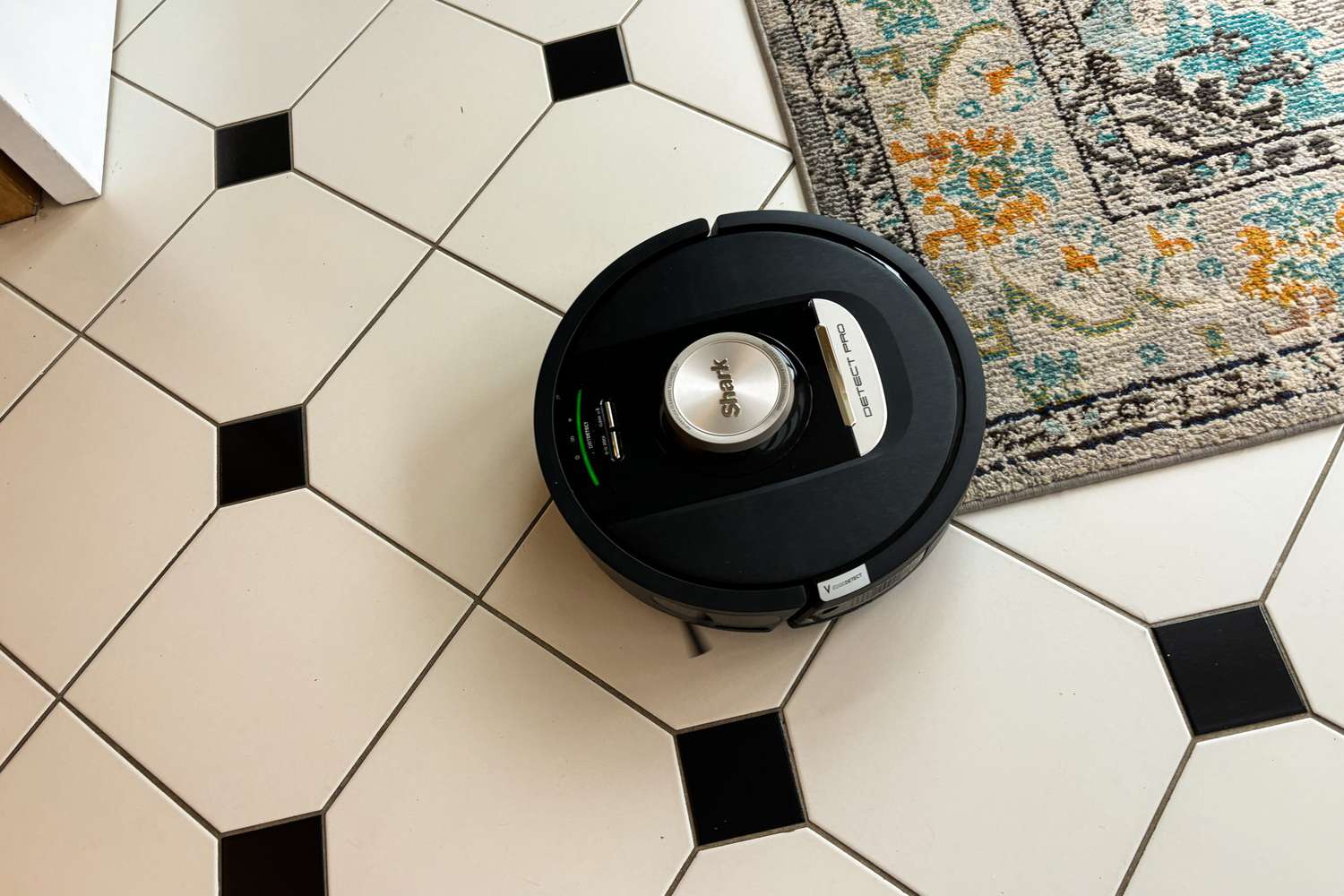
But the real revolution came with the advent of “self-cleaning” docking stations. This innovation moved beyond simply charging the robot. These smart bases automatically empty the robot’s dustbin, wash its mop pads, blow-dry them to prevent odors, and even refill the water tank for subsequent cleaning sessions. This means you can often go weeks or even months without manual intervention, turning routine cleaning into a truly hands-free experience.
Unpacking the Magic: How Self-Cleaning Robot Vacuum Mops Work
At their heart, self-cleaning robot vacuum and mop combos are marvels of modern engineering, combining intelligent navigation with powerful cleaning mechanisms.
The Core Mechanics
Every effective robot cleaner starts with its fundamental cleaning tools. Side brushes sweep debris from edges and corners into the path of a main roller brush, which then agitates and lifts dirt, dust, and pet hair into a built-in dustbin. Meanwhile, powerful motors generate suction, pulling fine particles into the bin. On the mopping side, these robots typically use spinning pads, vibrating pads, or single spinning rollers that apply water or cleaning solution to scrub hard floors.
Navigation is paramount, and modern robots use sophisticated sensor arrays to map your home and plan efficient cleaning routes. Technologies like LiDAR (Light Detection and Ranging) create precise digital maps, while infrared and ultrasonic sensors detect and avoid obstacles like furniture, stairs, and even stray socks. This allows them to navigate complex layouts, ensuring thorough coverage without constant supervision.
The “Self-Cleaning” Revolution
What truly sets these advanced units apart is their ability to maintain themselves at their docking station. This “all-in-one” base is where the magic happens:
- Auto-Emptying Dustbins: After a cleaning run, the robot returns to its dock, and a powerful secondary vacuum within the station sucks the collected dust and debris from the robot’s small onboard bin into a larger, sealed bag or container in the dock. This larger container might only need emptying every 30-60 days, significantly reducing your interaction with dirt.
- Automatic Mop Washing and Drying: For the mopping function, the dock is equipped to wash the dirty mop pads. Some even use hot water to dissolve tough stains and sanitize the pads, ensuring they’re clean for the next use. After washing, the pads are often blow-dried with hot air to prevent mildew and unpleasant odors.
- Water Tank Refilling and Dirty Water Disposal: The base station also automatically refills the robot’s clean water tank and, crucially, disposes of the dirty water collected during mopping into a separate dirty water tank in the dock. This means your robot always starts with fresh water and avoids spreading grime.
- Smart Mop Lifting for Carpets: Many high-end models feature intelligent carpet detection. When the robot encounters carpeted areas, it can automatically lift its mop pads, preventing them from getting wet while it vacuums the carpet. This allows for seamless vacuuming and mopping in a single run across mixed flooring types.
Advanced Features
Beyond the core self-cleaning functions, these robots often boast a suite of smart features, including:
- Advanced Obstacle Avoidance: Using AI and cameras, some robots can identify and steer clear of common household items like pet waste, shoes, and charging cables, preventing frustrating entanglements.
- Intuitive App Control: Companion apps allow you to schedule cleanings, define no-go zones or no-mop zones, adjust suction power and water flow, view cleaning maps, and monitor your robot remotely.
- Voice Assistant Integration: Many can connect with smart home ecosystems like Alexa or Google Assistant, allowing you to start or stop cleaning with simple voice commands.
“The true brilliance of these self-cleaning robots isn’t just their ability to clean, but their independence,” says tech expert Alex Chen. “They empower us to reclaim our time, turning a daily chore into a background operation.”
Choosing Your Automated Ally: A Guide to Selecting the Best Self-Cleaning Robot Vacuum and Mop
Selecting the perfect self-cleaning robot vacuum and mop means finding one that fits your home’s unique needs and your lifestyle.
Consider Your Home
- Floor Types: Do you have mostly hard floors, carpets, or a mix? Ensure the robot’s mop-lifting capabilities are suitable for your carpet pile, or if it excels primarily on hard surfaces.
- Pets and Allergies: Pet hair demands strong suction and tangle-free brushes. For allergy sufferers, a sealed auto-empty dock that traps allergens is a huge plus.
- Home Layout and Obstacles: Homes with many obstacles or complex layouts benefit from advanced navigation (LiDAR) and AI-powered obstacle avoidance.
Key Features to Look For
- Suction Power (Pa): Higher Pascal (Pa) ratings generally indicate stronger suction, which is crucial for deep cleaning carpets and picking up larger debris.
- Mop Technology:
- Spinning Pads: Offer a more dynamic scrubbing action for hard floors.
- Vibrating Pads: Mimic manual scrubbing to tackle stuck-on grime.
- Roller Mops: Often have a squeegee mechanism and can be very effective for wet spills.
- Docking Station Capabilities:
- Hot Water Mop Wash: Ideal for sanitization and tough stains.
- Mop Drying Method: Hot air drying is superior for preventing mildew and odors.
- Dustbin Capacity: How large is the bag/container in the dock, and how often will you need to empty it? (e.g., 30-60 days)
- Navigation and Mapping: Look for LiDAR for precise mapping and effective route planning. AI-powered obstacle avoidance enhances hands-free operation.
- Battery Life and Resume Function: A longer battery life is better for larger homes. The ability to return to the dock, recharge, and resume cleaning where it left off is essential.
- App Control and Smart Home Integration: A user-friendly app and compatibility with your existing smart home ecosystem add significant convenience.
Budget Considerations
While these advanced machines come with a higher upfront cost than traditional vacuums, consider the long-term savings in time and effort. There are excellent options across various price points, so define your must-have features versus nice-to-haves.
Keeping Your Robot Pal in Top Shape: Maintenance and Troubleshooting Tips
Even with “self-cleaning” features, a little proactive maintenance goes a long way in optimizing your robot’s performance and longevity.
- Regular Checks: Periodically inspect the main brush, side brushes, and filters for tangled hair or debris. Cleaning these components ensures consistent suction and efficient sweeping. Replace filters and brushes as recommended by the manufacturer.
- Clean the Dock: While the dock handles most of the dirty work, occasionally wipe down the charging contacts and the areas where the mop pads are cleaned to prevent residue buildup. Empty the dirty water tank and clean the clean water tank regularly.
- Optimize App Usage: Utilize the app’s mapping features to set precise no-go zones around delicate items or areas that shouldn’t be mopped. Schedule cleanings during off-peak hours or when you’re away to maximize convenience.
- Common Issues and Quick Fixes:
- Getting Stuck: Ensure your home is “robot-proofed” by picking up small items, cables, and loose rugs before a cleaning cycle.
- Poor Cleaning Performance: Check if brushes are clean, the dustbin is empty, and the mop pads are properly attached and saturated.
- Connectivity Problems: Restart your robot and Wi-Fi router. Ensure your robot is within range of your Wi-Fi signal.
Beyond the Buzz: The Real-Life Benefits of a Self-Cleaning Robot Vacuum and Mop
The benefits of integrating a self-cleaning robot vacuum and mop into your home extend far beyond just clean floors.
- Hands-Free Convenience and Time-Saving: This is perhaps the most significant advantage. Imagine having hours back in your week that were once spent on vacuuming and mopping. Your robot does the work while you focus on what truly matters.
- Consistent Cleanliness: These robots maintain a regular cleaning schedule, preventing dirt and grime from building up. Your floors will always look tidy, rather than waiting for a deep clean once a week.
- Improved Indoor Air Quality: For allergy sufferers, self-emptying docks that seal away dust and allergens are invaluable, reducing exposure to airborne particles.
- Seamless Smart Home Integration: As these devices become smarter, they fit perfectly into a connected home, responding to voice commands and integrating with other smart devices for truly automated living.
The Future is Here: Integrating Your Robot into the Smart Home Ecosystem
A self-cleaning robot vacuum and mop isn’t just another appliance; it’s an intelligent part of your smart home. Most modern units are designed to seamlessly integrate with popular smart home ecosystems:
- Voice Assistant Compatibility: Connect your robot to Amazon Alexa or Google Assistant and control it with simple voice commands like, “Alexa, tell the robot to clean the kitchen.”
- Automated Routines: Set up routines where your robot starts cleaning when you leave the house, or automatically mops the living room after dinner every night. You can even link it with motion sensors to clean specific areas after they’ve been used.
- Remote Control and Monitoring: Through the companion app, you can start, stop, pause, or schedule cleanings from anywhere in the world. Get notifications when the cleaning is complete, or if your robot needs attention.
“Smart home integration takes convenience to the next level,” says Maya Sharma, a smart home technology consultant. “It’s about creating an invisible network of devices that work together to make your life easier, and a self-cleaning robot is a cornerstone of that experience.”
Conclusion
The self-cleaning robot vacuum and mop represents the pinnacle of automated home cleaning. From their humble beginnings, these devices have evolved into sophisticated machines capable of not only vacuuming and mopping but also maintaining themselves, offering unparalleled hands-free convenience. They save you time, ensure consistent cleanliness, and integrate seamlessly into the modern smart home.
If you’re tired of the endless cycle of floor cleaning and dream of more free time, embracing this technology is a decision you won’t regret. Experience the joy of returning to consistently pristine floors and reclaim your weekends. It’s time to let a robot handle the dirty work – you’ve earned it!