Ever wish your vacuum cleaner knew your home as well as you do? Imagine a world where your cleaning robot doesn’t just bump around aimlessly but meticulously plans its route, remembering every nook and cranny. This isn’t science fiction; it’s the incredible reality of a Robot Vacuum With Mapping technology. These intelligent devices are transforming the way we approach home cleaning, offering not just convenience but unparalleled efficiency and customization. They’re quickly becoming a must-have for any modern household looking to simplify chores and enjoy consistently spotless floors.
The Evolution of Clean: From Random Bounces to Intelligent Paths
The journey of robot vacuums began with simple, somewhat random navigation patterns. Early models, while revolutionary for their time, often missed spots or got stuck in repetitive loops, relying on basic sensors to avoid major collisions. It was a step up from manual vacuuming, for sure, but far from perfect. Then came the game-changer: mapping technology.
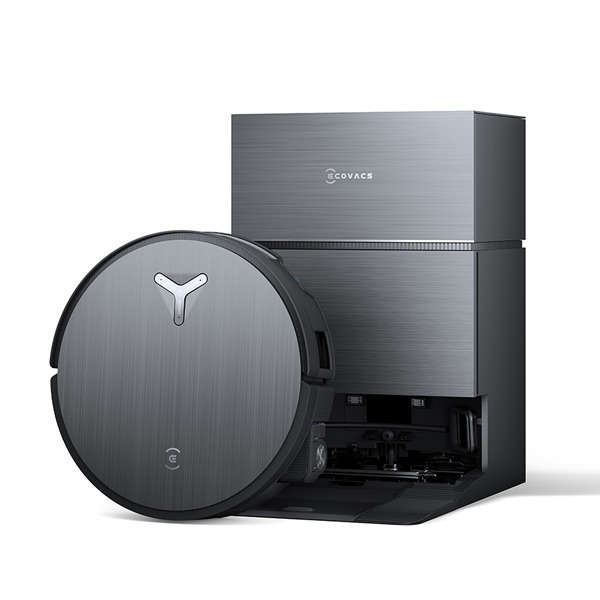
This innovation transformed robot vacuums from mere floor sweepers into sophisticated autonomous cleaners. By equipping them with the ability to “see” and “remember” their environment, manufacturers unlocked a new level of cleaning intelligence. This shift moved robot vacuums beyond simple obstacle avoidance to strategic, systematic cleaning, allowing them to truly understand and master the layout of your living space.
The Brain Behind the Clean: How Robot Vacuum Mapping Works
At its core, robot vacuum mapping is the process where your robot creates a digital blueprint of your home. Think of it as giving your cleaning companion a GPS system for your floors. During its initial runs, the robot actively scans its surroundings, identifying walls, furniture, and obstacles to build a detailed internal map. This map then serves as its guide for all future cleaning missions, ensuring comprehensive coverage and efficient navigation.
A World of Sensors: LiDAR, Cameras, and More
The magic of mapping comes down to sophisticated sensor technology. Different robot vacuums employ various methods to gather the data needed to construct these digital floor plans:
- LiDAR (Laser Distance Sensors): Many high-end robot vacuums utilize LiDAR, which stands for Light Detection and Ranging. These sensors emit laser beams that bounce off objects, allowing the robot to precisely measure distances and create an incredibly accurate 2D or even 3D map of your home. A major advantage of LiDAR is its ability to work flawlessly even in complete darkness, making it ideal for cleaning at any time of day or night.
- Camera-Based Mapping (vSLAM): Other models use built-in cameras to capture images of the environment. This visual data is processed using algorithms, often referred to as vSLAM (Visual Simultaneous Localization and Mapping), to identify landmarks and build a map. These systems can sometimes recognize specific objects like shoes or cables, leveraging AI for smarter navigation. They tend to perform best in well-lit conditions.
- Hybrid Systems: The most advanced robot vacuums often combine multiple technologies, such as LiDAR with cameras and other sensors. This hybrid approach offers the best of all worlds, providing exceptional precision, real-time updates, and superior obstacle recognition, ensuring a highly adaptive and thorough clean.
Simultaneous Localization and Mapping (SLAM): The Navigator’s Secret
Regardless of the specific sensor type, many advanced robot vacuums rely on SLAM technology. SLAM is a crucial algorithm that allows the robot to simultaneously build a map of an unknown environment while also keeping track of its own location within that map. This means your robot vacuum with mapping isn’t just blindly exploring; it’s constantly updating its understanding of your home’s layout and its own position within it, adapting to changes in real-time. As Dr. Evelyn Reed, a leading expert in smart home automation, puts it, “SLAM is the cornerstone of truly intelligent robotic navigation, allowing these devices to move from mere programmed movements to genuine environmental understanding.”
Why a Mapped Robot Vacuum is a Game Changer for Your Home
Investing in a robot vacuum with mapping isn’t just about convenience; it’s about upgrading your entire cleaning experience. Here’s why these intelligent devices are truly game-changers:
Precision Cleaning, Every Time
Gone are the days of your robot vacuum missing spots or cleaning the same area repeatedly. With a detailed map, your robot can follow systematic cleaning paths, ensuring every square inch of your floors gets the attention it needs. This means better coverage and consistently cleaner results, leaving you without the need to intervene.
Customize Your Clean: Virtual Walls and Zones
One of the biggest advantages of mapping technology is the unparalleled control it offers. Through the companion app on your smartphone, you can easily define “no-go zones” to protect delicate furniture, pet bowls, or children’s play areas. You can also designate specific rooms or high-traffic areas for targeted cleaning, ensuring that your robot focuses its efforts where they’re needed most. Want the living room cleaned daily but the guest room only once a week? A mapped robot vacuum makes it effortlessly simple to set up customized schedules for different areas.
Seamless Navigation and Smart Obstacle Avoidance
Thanks to their detailed maps, these robots excel at navigating complex layouts. They intelligently detect and steer clear of obstacles like chairs, tables, and even stairs, preventing collisions and getting stuck. This real-time obstacle avoidance ensures smoother operation and a more thorough cleaning process without interruptions.
Time-Saving and Energy-Efficient Cleaning
Because a robot vacuum with mapping cleans methodically, it operates far more efficiently. It doesn’t waste battery life re-cleaning areas it’s already covered, leading to faster cleaning cycles and better energy conservation. This is particularly beneficial for larger homes or those with intricate floor plans, where random navigation would simply be impractical.
Multi-Floor Mastery for Comprehensive Coverage
For homes with multiple levels, advanced robot vacuums with mapping capabilities can store different maps for each floor. This means you can simply pick up the robot and move it to another level, and it will automatically recognize its location and execute the correct cleaning plan. This adaptability provides truly comprehensive cleaning coverage across your entire home.
Choosing Your Perfect Cleaning Companion: What to Look for in a Robot Vacuum with Mapping
With so many options on the market, selecting the right robot vacuum with mapping can feel a bit daunting. Here’s what to consider to make an informed decision:
- Mapping Technology: Decide between LiDAR, camera-based, or hybrid systems based on your home’s lighting conditions and layout. LiDAR offers precision in all lighting, while camera-based systems can offer object recognition. Hybrid systems combine strengths for the most robust navigation.
- App Features: A user-friendly app is crucial. Look for features like multi-floor mapping, easy creation of virtual walls and no-go zones, zone cleaning, cleaning history, and customizable schedules.
- Battery Life: Consider the size of your home. Larger homes will benefit from longer battery life and efficient recharging capabilities.
- Suction Power: Expressed in Pascals (Pa), higher suction power generally means better debris pickup, especially on carpets. Look for models with at least 2000Pa, with many premium models offering 4000Pa or more.
- Mopping Capabilities: Many modern robot vacuums are hybrids, offering both vacuuming and mopping. Look for features like electronic water flow control, vibrating or pressurized mop pads, and automatic mop lifting for carpets.
- Obstacle Avoidance: Beyond basic bumper sensors, advanced obstacle avoidance uses AI and 3D sensors to recognize and steer clear of small objects like pet waste, cables, and shoes.
Maximizing Your Robot Vacuum’s Potential: Tips for Optimal Performance
Once you’ve brought home your new robot vacuum with mapping, a few simple steps can help you get the most out of it:
- Initial Mapping Run: Ensure the robot has a full battery for its first mapping session. Allow it to explore every accessible area of your home without interruption. You can usually monitor its progress and the map creation via the app.
- Maintain Your Maps: If you frequently rearrange furniture, remember to let your robot perform a new mapping run or update its existing map through the app. This keeps its internal blueprint accurate.
- Pre-Cleaning Prep: While mapping robots are great at avoiding obstacles, a quick tidy-up before a scheduled clean (e.g., picking up stray cables or small toys) will always ensure the most efficient and thorough cleaning.
- Regular Maintenance: Keep the robot’s sensors clean, especially those used for mapping, to maintain optimal navigation accuracy.
Conclusion
The robot vacuum with mapping is no longer just a luxury; it’s a smart home essential that brings unprecedented levels of convenience, efficiency, and cleanliness to your daily life. By intelligently learning and navigating your home, these devices take the guesswork out of cleaning, freeing up your valuable time for what truly matters. From systematic cleaning paths to customizable no-go zones and multi-floor mastery, a mapped robot vacuum isn’t just cleaning your floors—it’s revolutionizing your home cleaning experience. Ready to embrace the future of smart cleaning? Explore the range of robot vacuums with mapping technology and discover the perfect cleaning companion for your modern home.