Imagine coming home to sparkling clean floors every day without lifting a finger. That’s the promise of a Robot Vacuum And Mop, a revolutionary device that’s transforming how we maintain our homes. These clever gadgets combine powerful suction with effective mopping, tackling dust, dirt, and spills in one swift, automated sweep. If you’ve been dreaming of reclaiming your precious time from endless chores, understanding the world of the robot vacuum and mop is your first step towards a cleaner, more convenient lifestyle.
The Evolution of Automated Cleaning: From Simple Bots to Smart Combos
The journey of automated home cleaning began with early robot vacuums that, while revolutionary, were primarily focused on dry debris. They were simple, navigating somewhat randomly and picking up surface dirt. Over time, as technology advanced, so did our expectations. Manufacturers soon recognized the need for a comprehensive cleaning solution, especially for homes with hard floors. This led to the ingenious integration of mopping capabilities, turning a single-task appliance into a versatile 2-in-1 cleaning powerhouse. These hybrid models moved beyond basic dusting, offering the ability to scrub away grime and leave floors gleaming, marking a significant leap in home automation and setting a new standard for effortless cleanliness.
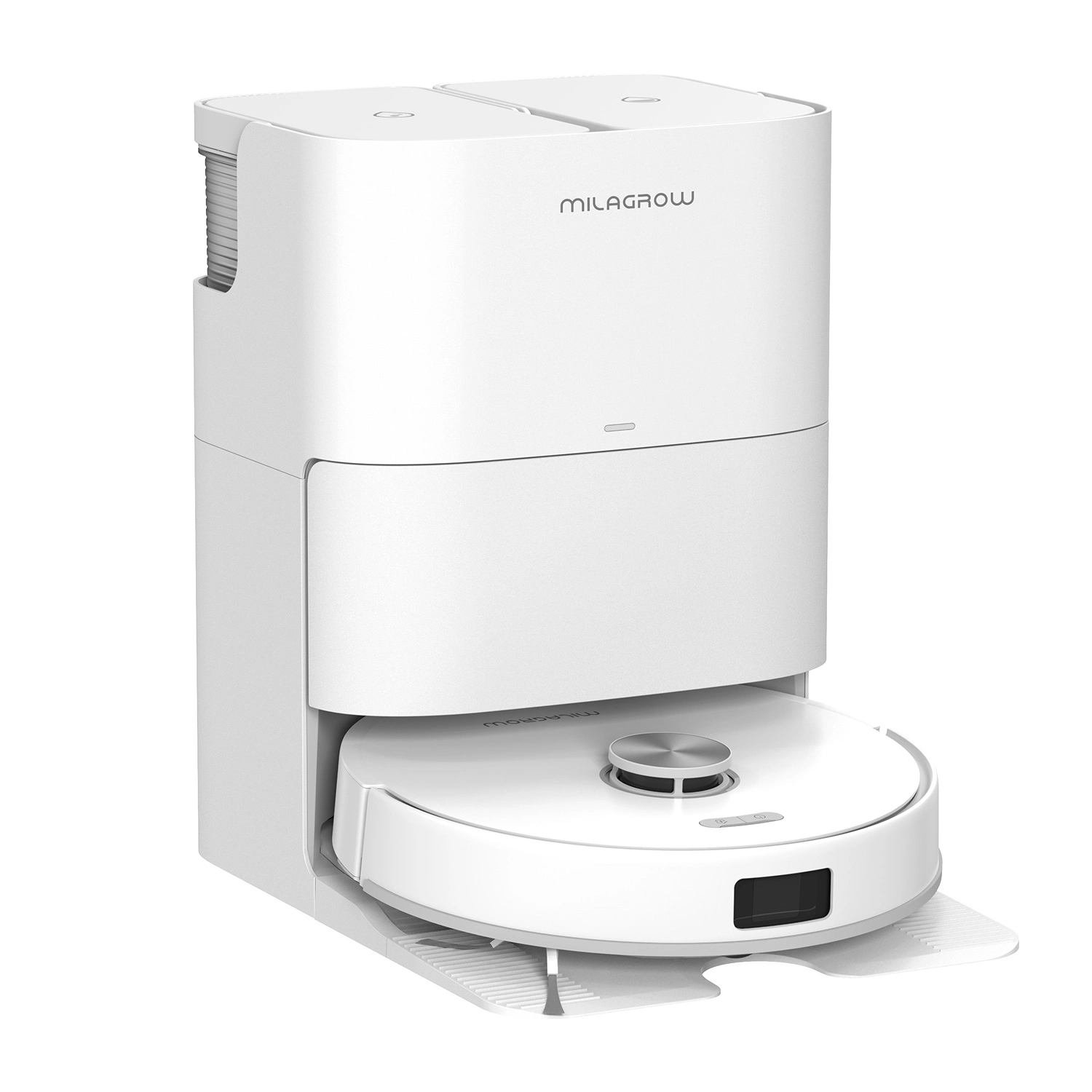
Decoding the Tech: Types of Robot Vacuum and Mop Systems
The brilliance of a modern robot vacuum and mop lies in its intricate blend of hardware and software. At its core, it’s a sophisticated machine designed to understand and clean your home with minimal intervention.
Vacuuming Technology
Every robot vacuum and mop starts with robust vacuuming. This involves powerful suction motors, often measured in Pascals (Pa), to lift debris from floors. They typically employ a combination of brush types: a main roller brush (sometimes rubberized for tangle-free pet hair collection or bristle-based for deep carpet cleaning) and one or two side brushes to sweep dirt from edges and corners into the main cleaning path. Dustbin capacity varies, with larger bins requiring less frequent emptying, a crucial factor for busy households.
Mopping Technology
The mopping component is where innovation truly shines. Early models used a simple drag-and-wipe method, where a wet cloth was pulled across the floor. While effective for light dusting, it wasn’t ideal for stubborn stains. Today’s advanced robot vacuum and mop systems feature more sophisticated approaches:
- Vibrating Pads: These pads rapidly vibrate to scrub away dirt, mimicking manual scrubbing.
- Rotating Pads: Some models use spinning mop pads that apply pressure and rotation for a more thorough clean.
- Pressurized Scrubbing: High-end units can apply downward pressure to the mop pads, enhancing their ability to tackle dried-on messes.
- Electronic Water Control: This allows precise management of water flow to the mop pad, preventing over-wetting of floors and ensuring efficient cleaning. Water tank capacity dictates how much area can be mopped before needing a refill.
Navigation and Mapping
The intelligence of a robot vacuum and mop largely stems from its navigation system.
- LiDAR (Light Detection and Ranging): Many premium models use a rotating laser turret to create highly accurate maps of your home, enabling efficient, systematic cleaning paths and precise room recognition.
- vSLAM (Visual Simultaneous Localization and Mapping): Some robots use cameras to build a map as they clean, recognizing objects and their position in space.
- Cliff Sensors: Prevent the robot from falling down stairs.
- Anti-Collision Sensors: Help the robot avoid bumping into furniture and walls, protecting both the robot and your belongings.
Smart Features
Beyond basic cleaning, modern robot vacuum and mop units boast an impressive array of smart features. App control allows you to schedule cleanings, define no-go zones (areas the robot should avoid), set no-mop zones (for carpets), and even monitor cleaning progress from anywhere. Voice assistant integration with platforms like Alexa and Google Assistant provides hands-free control. Multi-floor mapping allows the robot to store different floor plans, making it ideal for multi-story homes. Furthermore, self-emptying dustbins and self-washing/drying mop docks are now available, offering unparalleled convenience by minimizing manual intervention for weeks at a time.
Choosing Your Perfect Cleaning Companion: A Buyer’s Guide
Selecting the right robot vacuum and mop means aligning its capabilities with your specific needs and home environment. It’s about finding a device that slots seamlessly into your life.
Floor Types
Consider your predominant flooring. For homes with mostly hard floors (hardwood, tile, laminate), any robot vacuum and mop will offer benefits. However, if you have carpets, look for models with automatic mop-lifting capabilities or removable mop pads to prevent wetting your rugs. Variable suction power is also crucial for effectively transitioning between surfaces.
Home Size & Layout
Larger homes or those with complex layouts will benefit from robots with advanced mapping (like LiDAR), longer battery life, and multi-floor mapping support. These features ensure the entire home is covered efficiently without getting lost or running out of power.
Pet Owners & Allergies
If you have furry friends, prioritize strong suction power to handle pet hair and choose models with tangle-free rubber main brushes. A high-efficiency particulate air (HEPA) filter is essential for trapping allergens, improving air quality for allergy sufferers.
Budget Considerations
The market offers a wide range of robot vacuum and mop combos. Entry-level models provide basic cleaning and navigation, while premium options come packed with cutting-edge features like advanced obstacle avoidance, self-emptying docks, and superior mopping systems. Define your budget and prioritize the features most important to you.
Maintenance & Consumables
Factor in the ongoing maintenance. Consider the ease of cleaning the dustbin and water tank, replacing brushes, and washing mop pads. Some models use disposable pads, while others offer reusable, machine-washable options. The availability and cost of replacement filters and brushes are also important long-term considerations.
Maximizing Your Robot Vacuum and Mop’s Potential
Getting the most out of your automated cleaner involves a few simple steps and routine care.
Initial Setup & Mapping
When you first unbox your robot vacuum and mop, take some time to prepare your home. Clear loose cables, small toys, and anything that could get tangled. Run the robot for its initial mapping cycle, allowing it to create a detailed floor plan. Use the accompanying app to define specific rooms, set no-go zones around fragile items, and establish no-mop zones for carpets or rugs. This initial setup pays dividends in future cleaning efficiency.
Regular Maintenance Tips
Consistent maintenance ensures your robot vacuum and mop performs at its peak. Regularly empty the dustbin after each cleaning session and clean the main brush and side brushes to remove tangled hair and debris. Rinse the mop pads thoroughly after each use, or wash them if they’re reusable. Periodically clean the sensors (cliff sensors, bumper sensors) with a dry cloth to prevent navigation issues. Don’t forget to replace filters and brushes according to the manufacturer’s recommendations, typically every 3-6 months.
Troubleshooting Common Issues
Even the smartest robots can sometimes encounter hiccups. If your robot isn’t connecting to Wi-Fi, try restarting your router and the robot. If it’s having trouble charging, ensure the charging contacts on both the robot and the dock are clean. For robots getting stuck frequently, examine the areas where it usually gets trapped and apply no-go zones in the app. Many common issues can be resolved with a quick glance at the user manual or the manufacturer’s online support.
The Unbeatable Benefits of a Robot Vacuum and Mop
The appeal of a robot vacuum and mop goes far beyond novelty. It offers tangible advantages that genuinely improve daily life.
The most significant benefit is undoubtedly time-saving and convenience. Instead of spending hours vacuuming and mopping, you can delegate these tasks to your robot. This frees up your schedule for more enjoyable activities, whether it’s spending time with family, pursuing hobbies, or simply relaxing. With a robot vacuum and mop, you get to enjoy consistent cleanliness without the effort. Your floors can be pristine every day, not just on your dedicated cleaning day.
Moreover, these devices offer seamless smart home integration. They connect with other smart devices, allowing for advanced automation and voice control, truly making your home work for you. For allergy sufferers, the regular removal of dust and pet dander contributes to allergen reduction, improving indoor air quality. Ultimately, a robot vacuum and mop provides true hands-free operation, transforming a tedious chore into something you simply set and forget, leaving you with more time and a healthier living environment.
Seamless Integration: Robot Vacuums in Your Smart Home
A robot vacuum and mop is more than just a cleaning device; it’s a vital component of a truly connected home. Its ability to integrate with various smart home ecosystems elevates convenience to new heights, making your cleaning routine virtually invisible.
You can often connect your robot vacuum and mop to popular voice assistants like Amazon Alexa or Google Assistant. This means you can simply say, “Alexa, tell the robot to start cleaning,” or “Hey Google, clean the living room,” to initiate tasks without touching a button. The accompanying smartphone app is your command center, allowing you to schedule daily cleanings, set specific cleaning modes for different rooms, view detailed cleaning maps, and even remotely start a cleaning cycle when you’re away from home. Advanced models can be integrated into broader smart home automation routines. Imagine a scenario where your smart lights dim, and your robot vacuum and mop begins its cleaning path as soon as you leave the house, ensuring you return to a pristine home every single time. This level of automation is truly the future of home management.
FAQ: Your Top Questions About Robot Vacuum and Mops Answered
Got questions about these smart cleaning companions? We’ve got answers.
How often should I use my robot vacuum and mop?
For optimal cleanliness, especially in homes with pets or children, running your robot vacuum and mop daily or every other day is recommended. This keeps dust and dirt from accumulating.
Can a robot vacuum and mop clean carpets?
Yes, many advanced robot vacuum and mop models are designed to clean carpets. Look for those with strong suction, adjustable brushes, and crucially, automatic mop-lifting features or the ability to define no-mop zones to avoid wetting carpets.
What’s the difference between passive and active mopping?
Passive mopping involves dragging a wet cloth, suitable for light dusting. Active mopping, found in more advanced robot vacuum and mop units, uses vibrating or rotating pads, often with controlled water delivery, to actively scrub floors for a deeper clean.
Are robot vacuum and mops worth it?
Absolutely. The convenience, time-saving benefits, and consistent cleanliness they provide make them a valuable investment for many households, especially those with busy lifestyles, pets, or hard floors.
How do I maintain my robot vacuum and mop?
Regular maintenance includes emptying the dustbin, cleaning brushes, rinsing/washing mop pads after each use, and occasionally wiping down sensors. Replace filters and brushes as recommended by the manufacturer.
Can it clean pet messes effectively?
While excellent for pet hair and light paw prints, most robot vacuum and mop units are not designed for large liquid spills or solid pet waste. Always clear significant messes manually first.
What kind of cleaning solution can I use?
Most manufacturers recommend using only water or their proprietary cleaning solutions. Using unauthorized cleaning agents can damage the water tank and mopping system, and void your warranty. Always check your specific model’s manual.
Embracing a Cleaner, Easier Future
The robot vacuum and mop isn’t just a gadget; it’s an indispensable assistant that brings a new level of convenience and cleanliness to your home. From its sophisticated navigation to its powerful dual-action cleaning, it’s designed to handle the daily grime so you don’t have to. The benefits—more free time, consistently sparkling floors, and seamless smart home integration—make it a transformative addition to any modern household. So, why not let a robot vacuum and mop take over the chore of floor cleaning? You might just find yourself wondering how you ever lived without one. Experience the future of home cleaning today and discover the joy of effortlessly maintained floors, day in and day out.