Tired of lugging out that traditional vacuum every few days? Imagine a world where your floors stay effortlessly spotless, all thanks to a silent, intelligent helper. That’s the promise of a truly Good Robot Vacuum, a device that has evolved from a simple novelty into an indispensable smart home appliance. These cleaning marvels are transforming daily chores, offering not just convenience but a deeper, more consistent clean for every home.
The Journey of Innovation: A Brief History of Robot Vacuums
The idea of an automated floor cleaner has fascinated us for decades, but the journey from concept to a sophisticated smart device is truly remarkable. Our story begins in 1996 with the Electrolux Trilobite, often cited as the first robot vacuum prototype. While groundbreaking, it was a rudimentary machine with limited navigation. The real breakthrough for mass-market adoption came in 2002 with the introduction of the iRobot Roomba, which quickly became a household name.
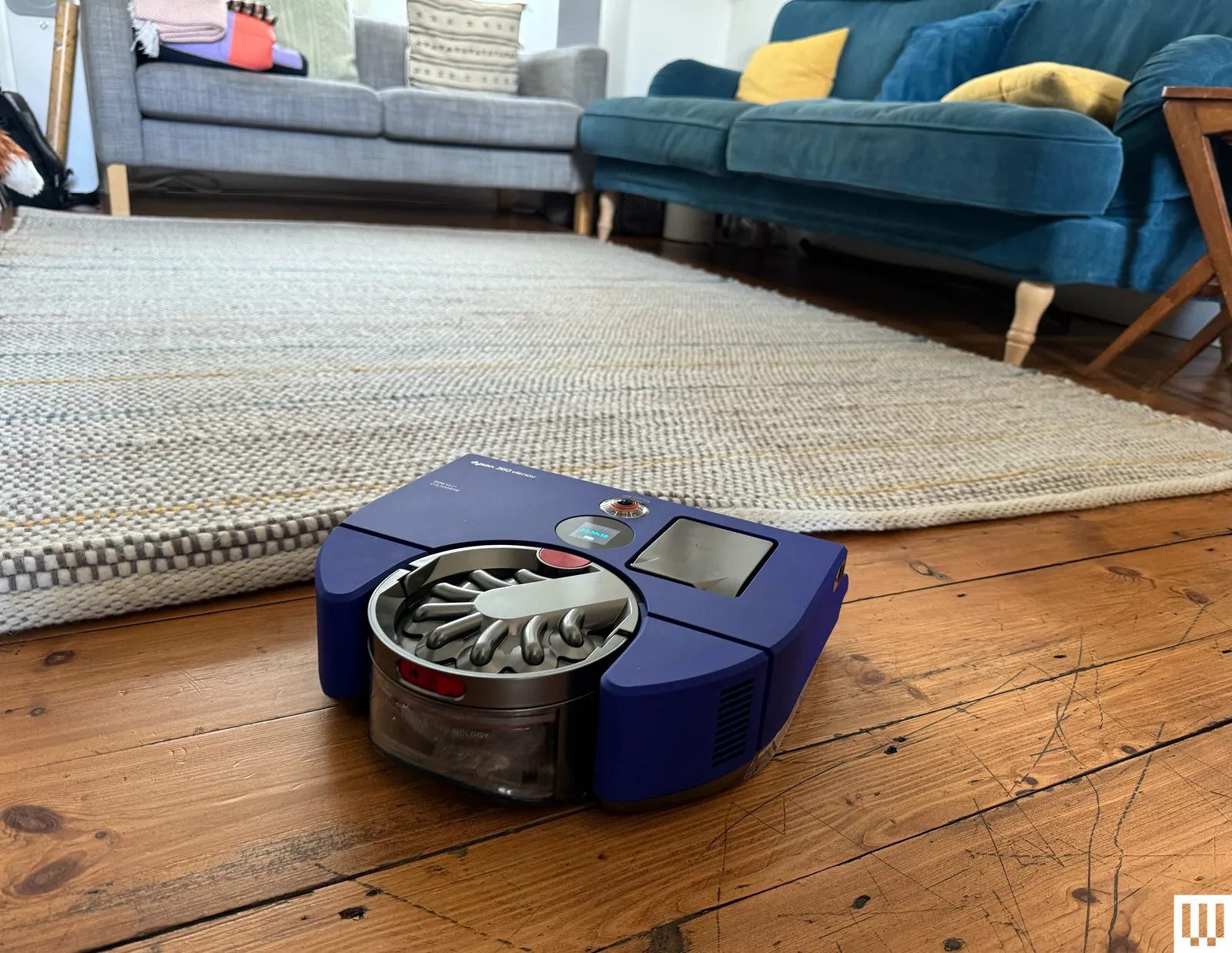
Fast forward to the 2010s, and we saw significant leaps with the integration of Light Detection and Ranging (LiDAR) technology, allowing robot vacuums to create precise maps of homes and navigate more efficiently. Virtual barriers were also introduced, giving users more control over where their robot could go.
Today, in 2025, the robot vacuum landscape has been revolutionized by artificial intelligence (AI) and machine learning. Modern robot vacuums are no longer just cleaning tools; they are intelligent home assistants, capable of intricate multi-floor mapping, advanced object recognition, and seamless integration into our smart home ecosystems. This continuous evolution means a “good robot vacuum” today is far more capable and autonomous than models from just a few years ago.
Unpacking Excellence: What Makes a Robot Vacuum Truly Good?
So, how do you spot a truly good robot vacuum amidst a sea of options? It all boils down to a blend of advanced technology, thoughtful design, and seamless user experience.
Intelligent Navigation and Mapping: The Brains of the Operation
A good robot vacuum isn’t just bumping around aimlessly; it’s a strategic cleaner. Modern devices utilize sophisticated navigation systems to understand your home’s layout.
- LiDAR (Laser Navigation): This technology uses lasers to create highly accurate, real-time maps of your home. It allows the robot to plan the most efficient cleaning paths, ensuring thorough coverage without missing spots or unnecessary repetition. Think of it as giving your robot a detailed blueprint of your living space.
- AI-Powered Vision and 3D Sensors: The latest innovations incorporate AI-guided cameras and 3D structured light sensors for superior obstacle avoidance. These systems can recognize and navigate around a staggering number of objects, from stray pet toys and charging cables to furniture legs and even pet waste. This prevents the robot from getting stuck or spreading messes, offering a truly hands-free experience. Some advanced models, like the Roborock Saros 10R, have earned awards for their flawless obstacle avoidance, reliably weaving around cables and low-lying furniture.
- Multi-Floor Mapping and Virtual Boundaries: For homes with multiple levels, a good robot vacuum can save maps for each floor, adapting its cleaning routine accordingly. Companion apps allow you to set “no-go zones” or “no-mop zones” for specific areas you want the robot to avoid, like a pet’s feeding area or delicate rugs.
Powerful Suction and Versatile Cleaning Modes
At its core, a good robot vacuum must excel at cleaning. This means robust suction power and the flexibility to handle various floor types and messes.
- High Pascal (Pa) Suction: Suction power, often measured in Pascals (Pa), indicates how effectively a vacuum can lift dirt and debris. While basic models might offer around 2000-3000 Pa, a good robot vacuum typically boasts upwards of 4000 Pa, with premium models reaching an impressive 20,000 Pa or even 30,000 Pa, like the Dreame Matrix10 Ultra. This power is crucial for deep cleaning carpets, extracting embedded dirt, and effectively picking up pet hair.
- Adaptive Cleaning Modes: The best robot vacuums offer multiple cleaning modes—eco for light daily cleans, standard for routine tasks, and turbo or max for heavy-duty messes. Many also feature “carpet boost,” automatically increasing suction power when the robot detects it’s moved from a hard floor to carpet, ensuring consistent performance across different surfaces.
Advanced Mopping Capabilities: Beyond a Simple Wipe
Many modern robot vacuums are hybrid models, offering both vacuuming and mopping functionalities. A truly good hybrid robot vacuum goes far beyond just dragging a wet cloth.
- Electronic Water Flow Control: This allows precise control over the amount of water dispensed, preventing over-wetting and ensuring optimal moisture for different floor types.
- Active Mop Pads: Look for features like vibrating, pressurized, or spinning mop pads. These actively scrub the floor to tackle stubborn stains more effectively than static pads. For example, the Ecovacs T80 Omni features an OZMO Roller system that spins at 200 RPM with 16 times more pressure for streak-free mopping.
- Mop Lifting Mechanisms: To prevent wetting carpets, good hybrid vacuums automatically lift their mop pads when transitioning to carpeted areas. Some models even allow the mop pads to be left at the base while vacuuming, offering greater flexibility.
- Self-Cleaning and Hot Water Washing: Premium docks can wash and dry the mop pads with hot water (some reaching temperatures up to 212°F, like the Dreame Matrix10 Ultra), and then dry them with warm air to prevent odors and mildew. This truly automates the mopping process, keeping the pads fresh for every clean.
Self-Emptying and Self-Cleaning Docks: The Ultimate Convenience
One of the most game-changing features in a good robot vacuum is the presence of an intelligent docking station.
- Auto-Emptying Dustbins: These docks automatically transfer collected debris from the robot’s small onboard dustbin into a larger, sealed bag or container in the dock. This means you only have to empty the main station every few weeks or even months (some bags last up to 100 days), offering weeks of hands-free cleaning. Many docks also include HEPA filtration to trap fine dust and allergens.
- Comprehensive Dock Maintenance: Beyond just emptying, advanced docks can wash and hot-air dry mop pads, refill the robot’s water tank, and even add cleaning solution automatically. Some, like the Dreame X40 Master, even offer plumbing options for a truly maintenance-free water management system. These “all-in-one” stations represent the pinnacle of robot vacuum convenience, keeping your device in top condition with minimal effort from you.
Smart Connectivity and Control: Your Cleaning Command Center
A good robot vacuum seamlessly integrates into your smart home, giving you unprecedented control.
- Intuitive Smartphone Apps: Companion apps are your central command center. They allow you to schedule cleaning times, set custom cleaning modes for different rooms, create virtual boundaries, view cleaning maps and history, and even monitor your home with a live video feed on some models.
- Voice Control Integration: Most good robot vacuums are compatible with popular voice assistants like Amazon Alexa and Google Assistant, allowing you to start, stop, or pause cleaning with simple voice commands. Some models even feature built-in voice assistants for direct interaction.
- Matter Protocol Compatibility: Newer models are beginning to support the Matter protocol, ensuring broader compatibility and easier integration into various smart home ecosystems.
Battery Life and “Recharge & Resume” Functionality
While robot vacuums are designed to be autonomous, sufficient battery life is key, especially for larger homes.
- Extended Runtimes: Top-tier robot vacuums offer impressive runtimes, often between 180 and 260 minutes on a single charge in standard mode. This allows them to cover larger areas or entire multi-room layouts in one go.
- Recharge & Resume: Almost all good robot vacuums feature “recharge and resume.” If the battery runs low mid-job, the robot intelligently returns to its dock, recharges, and then picks up cleaning exactly where it left off, ensuring your entire home gets cleaned without interruption.
Design Considerations: Getting into Every Nook
The physical design of a robot vacuum plays a crucial role in its effectiveness.
- Low Profile: A slimmer design allows the robot to clean under low-lying furniture, beds, and cabinets, reaching dust and debris that traditional vacuums often miss.
- Threshold Climbing: For homes with varying floor levels or rugs, the ability to effortlessly climb over thresholds (e.g., up to 40mm, 60mm, or even 80mm for advanced models like the Dreame Matrix10 Ultra or MOVA Z60 Ultra Roller Complete) is vital for comprehensive coverage.
- Anti-Tangle Brushes: Innovative brush designs, such as dual rubber brush rolls or V-shaped bristles, are engineered to minimize hair tangling, a common headache for pet owners, reducing the frequency of manual brush cleaning.
Different Flavors of Good: Types of Robot Vacuums and Their Technologies
The market for good robot vacuums offers a spectrum of specialized models, each excelling in particular areas.
- The All-Rounder Powerhouses: These models, like the Dreame L50 Ultra or Roborock Qrevo CurvX, offer a balanced blend of powerful suction, intelligent navigation, and advanced mopping capabilities, making them excellent choices for most homes with mixed floor types.
- Pet Hair Pros: If you’re battling constant pet shedding, look for robot vacuums with extra-strong suction (e.g., the Roborock Qrevo Curv with its superb suction), anti-tangle brush systems, and sophisticated obstacle avoidance that can identify and navigate around pet bowls or accidental messes. Some even offer live video monitoring to check on your furry friends while you’re out.
- Hard Floor and Mopping Masters: For homes with predominantly hard floors, models featuring advanced mopping systems – such as those with spinning mop pads, hot water washing, and extending brushes for edge cleaning – are ideal. The Ecovacs Deebot X9 Pro Omni, for instance, swept multiple categories including “Best Mop” in mid-2025 evaluations.
- Budget-Friendly Champions: You don’t always need to break the bank for a good robot vacuum. Models like the MOVA P10 Pro Ultra offer impressive features, including strong suction and multi-level LiDAR mapping, at a more accessible price point, delivering flagship-level conveniences without the premium cost.
Your Guide to Choosing and Using a Good Robot Vacuum
Ready to welcome a good robot vacuum into your home? Here’s how to make the smartest choice and get the most out of it:
1. Assess Your Home’s Unique Needs
- Floor Types: Do you have mostly hard floors, carpets, or a mix? This will influence the importance of suction power and advanced mopping features.
- Pets: Pet owners should prioritize strong suction for hair, anti-tangle brushes, and superior obstacle avoidance for pet-related clutter.
- Layout and Obstacles: Homes with many furniture pieces or frequent clutter benefit greatly from advanced navigation and object recognition. Consider threshold heights.
- Home Size: Larger homes will require longer battery life and efficient “recharge and resume” functionality.
2. Prioritize Features that Matter Most to You
Decide which features are non-negotiable. Is hands-free operation paramount? Then a self-emptying and self-cleaning dock is a must. Do you value sparkling hard floors? Focus on advanced mopping systems.
3. Setting Up for Optimal Performance
- Pre-Clean Your Space: While modern robots handle obstacles well, a quick tidy-up before a scheduled clean (e.g., picking up small items, cables) will always improve efficiency.
- Utilize Mapping and Virtual Walls: Take advantage of the app to create precise maps, set no-go zones around delicate items, or virtual walls to restrict access to certain areas.
- Schedule Smart: Program your robot to clean when you’re away from home to enjoy disruption-free cleaning and return to spotless floors.
4. Simple Maintenance for Lasting Performance
Even the most autonomous robot vacuums need a little TLC to keep them running smoothly.
- Empty the Dustbin/Dock Bag Regularly: Follow manufacturer guidelines. For self-emptying docks, replace the bag when full.
- Clean Brushes and Filters: Check the main brush and side brushes for tangled hair or debris. Clean or replace filters as recommended to maintain suction power and air quality.
- Wipe Sensors: Keep the navigation sensors clean for optimal mapping and obstacle avoidance. For hybrid models, ensure mop pads are clean and dry, or that the dock’s self-cleaning mechanism is functioning well.
The Transformative Benefits of a Good Robot Vacuum
Investing in a good robot vacuum is more than just buying a gadget; it’s investing in a better quality of life.
- Unparalleled Convenience and Time Savings: Imagine reclaiming hours each week that you once spent vacuuming. Your robot does the work while you focus on family, hobbies, or simply relaxing.
- Consistently Cleaner Floors: Robot vacuums can run daily or multiple times a week, preventing dust and dirt from building up. This constant maintenance keeps your home looking tidy and feeling fresh.
- Healthier Indoor Environment: By regularly removing dust, pet dander, and allergens from your floors, robot vacuums contribute to better indoor air quality, a significant benefit for allergy sufferers.
- Effortless Integration into Smart Living: As part of a smart home ecosystem, your robot vacuum works in harmony with other devices, creating a truly automated and convenient living space.
Integrating Your Robot Vacuum into the Smart Home Ecosystem
A good robot vacuum isn’t a standalone appliance; it’s a vital component of a modern smart home. Through seamless integration with platforms like Google Assistant and Amazon Alexa, you can simply tell your robot to start cleaning, pause a job, or return to its dock with a voice command. This level of automation means your cleaning routine fits effortlessly into your daily life, making your home feel more responsive and intelligent. The Matter protocol further promises enhanced compatibility, ensuring your robot vacuum will integrate smoothly with future smart home devices. We’re even seeing exciting demos of stair-climbing robot vacuums at events like IFA 2025, hinting at a future where multi-level homes can be cleaned fully autonomously.
Frequently Asked Questions About Good Robot Vacuums
Are good robot vacuums worth the investment?
Absolutely! While the initial cost can be higher than traditional vacuums, the time saved, convenience offered, and consistent cleanliness provided by a good robot vacuum make it a worthwhile investment for most households.
How often should a robot vacuum run?
For optimal cleanliness, especially in homes with pets or high traffic, running your robot vacuum daily or every other day is recommended. Most apps allow you to easily set schedules for this.
Can robot vacuums clean multiple floors?
Yes, many good robot vacuums feature multi-floor mapping capabilities, allowing them to store maps for different levels of your home. You’ll typically need to move the robot between floors manually, but it will remember each area’s layout.
What’s the difference between LiDAR and camera navigation?
LiDAR uses laser sensors to create precise 2D maps, excelling in systematic coverage. Camera navigation, often combined with 3D structured light or AI, provides advanced object recognition to identify and avoid smaller obstacles more effectively. The best robots often combine both for superior navigation.
How important is suction power?
Suction power (Pa) is very important, especially for homes with carpets or pets. Higher suction ensures deeper cleaning and more effective pickup of debris and embedded dirt.
Do hybrid robot vacuums actually mop well?
Modern hybrid robot vacuums with advanced mopping features like spinning, vibrating, or pressurized pads, and hot water washing in their docks, can mop exceptionally well, handling everyday spills and maintaining hard floor sparkle.
How do I minimize obstacles for my robot vacuum?
To ensure the most efficient cleaning, try to keep floors clear of small objects like cables, toys, and clothing. Utilizing virtual no-go zones in the app can also help prevent the robot from getting stuck in problematic areas.
Your Cleaner, Smarter Home Awaits
The quest for a truly good robot vacuum leads to a future where home cleaning is no longer a chore, but an effortless background process. From their humble beginnings to today’s AI-powered marvels, these devices offer unparalleled convenience, superior cleaning performance, and seamless integration into our smart lives. By understanding the key features and aligning them with your home’s unique needs, you can choose a robot vacuum that doesn’t just clean, but transforms your daily routine, leaving you with more time to enjoy a consistently spotless home. Experience the difference a good robot vacuum can make – your floors will thank you!