Stepping into a home with sparkling clean floors is a feeling everyone cherishes, yet finding the time and energy for daily vacuuming can feel like a never-ending chore. That’s where the ingenious Floor Vacuum Robot glides in, transforming floor care from a tiresome task into a seamless, automated experience. These compact marvels are more than just gadgets; they are intelligent cleaning companions designed to maintain a pristine living space with minimal effort from your side. Imagine waking up to crumb-free kitchens and dust-bunny-free living rooms, all thanks to your silent, diligent helper.
This comprehensive guide is your key to understanding everything about the world of floor vacuum robots. We’ll delve into their fascinating evolution, unravel the advanced technology that powers them, and equip you with all the knowledge needed to choose and optimize the perfect robot for your home, making your everyday life effortlessly cleaner.
The Evolution of Automated Cleaning: From Novelty to Necessity
The concept of an autonomous cleaning device might seem like something out of a futuristic movie, but the journey of the floor vacuum robot began decades ago. While American engineer Donald G. Moore first filed a patent for a robot vacuum, it wasn’t until 1996 that Electrolux introduced the “Trilobite,” the very first commercial robot vacuum. Despite its rudimentary navigation, this pioneering machine paved the way for a revolution in home cleaning.
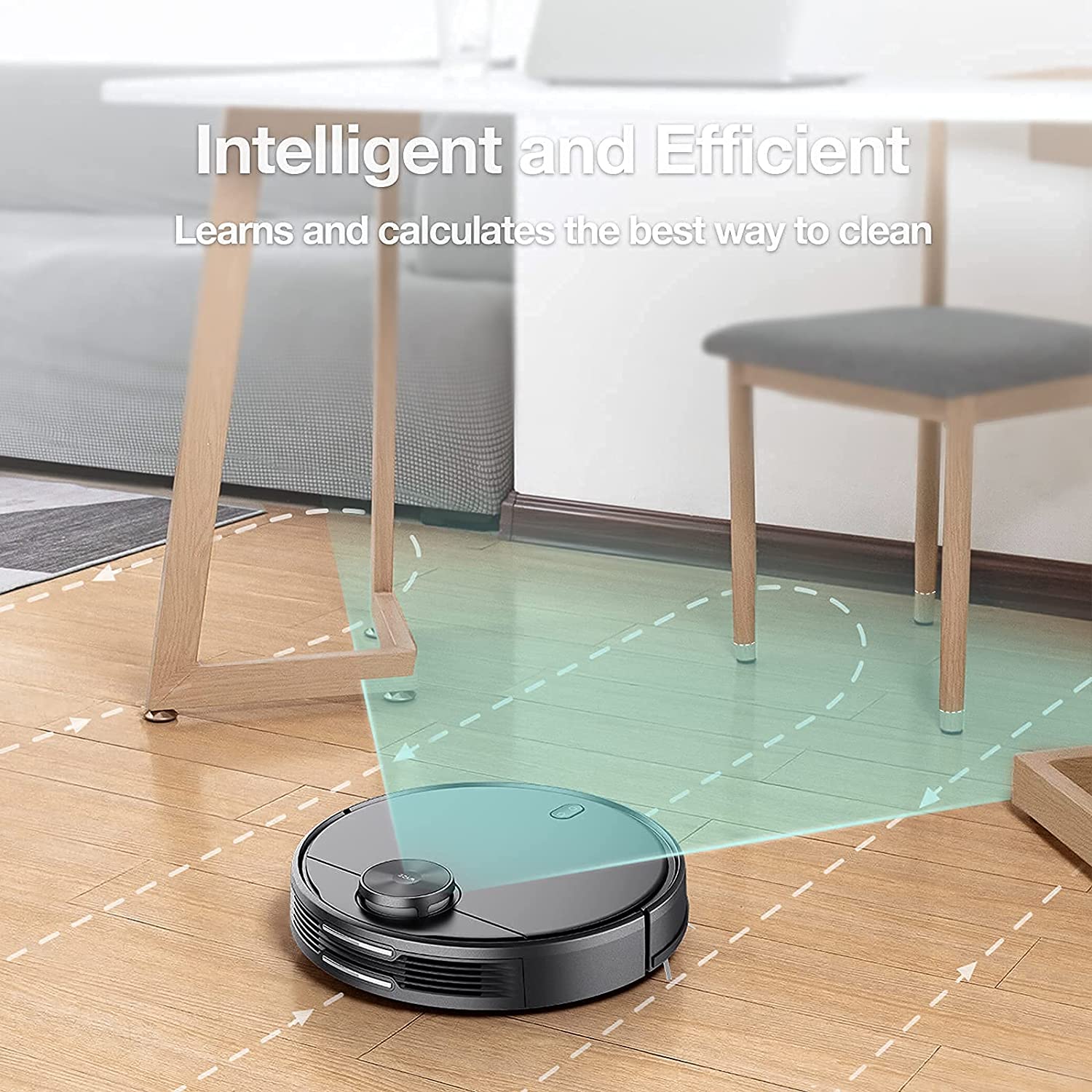
Fast forward to today, and these devices have transformed dramatically. Gone are the days of clumsy, bumper-car-like navigation. Modern floor vacuum robots are sophisticated machines equipped with advanced sensors, powerful motors, and intelligent algorithms, allowing them to navigate homes with precision, effectively gathering dirt, dust, and debris. They’ve evolved from simple floor sweepers into multifaceted systems, often integrating mopping functions, voice assistant compatibility, and even self-emptying docking stations, becoming an indispensable part of countless smart homes worldwide. They free up valuable time and energy, turning daily tidying into a set-it-and-forget-it routine.
Decoding the Tech: How a Floor Vacuum Robot Works
At its core, a floor vacuum robot is a sophisticated blend of hardware and software designed to tackle floor cleaning autonomously. Understanding its main components and how they interact can help you appreciate the magic behind these compact cleaners.
The Brains and Brawn: Motor, Brushes, and Battery
Every floor vacuum robot relies on a powerful motor to generate the suction necessary to pull in dirt, dust, and debris from various floor surfaces, including stubborn particles embedded in carpets or crevices. Complementing this suction power are specialized brushes:
- Roller Brushes: These are typically located underneath the robot and work to agitate and lift dirt from the floor, directing it into the suction path. Many modern roller brushes are designed to prevent hair tangling, a common frustration for pet owners.
- Side Brushes: Positioned on the robot’s perimeter, these smaller, rotating brushes sweep debris from edges, corners, and along walls, guiding it towards the main suction area.
Powering all this action is a rechargeable battery. When the battery runs low, a smart floor vacuum robot automatically returns to its docking station to recharge, ensuring it’s always ready for the next cleaning session. Many advanced models will even resume cleaning exactly where they left off once adequately charged.
Smart Navigation: Sensors, Mapping, and Obstacle Avoidance
The ability of a floor vacuum robot to navigate your home efficiently without constantly bumping into furniture or falling down stairs is thanks to its sophisticated array of sensors and mapping technologies.
- Sensors: Modern robots employ various sensors. Laser-based sensors, such as LiDAR (Light Detection and Ranging), create highly detailed virtual maps of your home’s layout, similar to technology used in self-driving cars. Infrared sensors detect obstacles and help the vacuum avoid collisions, while cliff sensors prevent the robot from tumbling down stairs or off ledges by identifying sudden drops. Camera-based sensors can capture images to identify and even classify objects.
- Mapping: Information gathered from these sensors is processed using advanced mapping algorithms. This allows the robot to build a virtual blueprint of your home, enabling it to plan the most efficient cleaning routes and ensure thorough coverage without missing or repeating spots. These maps can often be viewed and customized via a companion smartphone app.
- Obstacle Avoidance: During cleaning, advanced floor vacuum robots use technologies like 3D structured light patterns (e.g., TrueDetect 3D) or AI-powered object recognition to identify and navigate around furniture, cables, shoes, and even pets in real-time, preventing damage and ensuring an uninterrupted cleaning cycle.
Mopping Magic: Integrated Wet Cleaning Capabilities
Many contemporary floor vacuum robots offer integrated mopping functions, providing a dual cleaning action in a single pass. This feature significantly reduces manual effort, allowing the robot to sweep, vacuum, and mop simultaneously.
- Mopping Systems: Basic models may simply drag a damp cloth, but more advanced robots feature dual rotating mop pads or vibrating pads that apply downward pressure, effectively scrubbing floors to remove stubborn stains [cite: 1 (search result), 1].
- Smart Mopping: Premium models boast features like automatic mop lifting for carpet detection (keeping rugs dry), hot water mop washing at the docking station, and auto-refilling of water tanks, ensuring a fresh, thorough clean every time [cite: 3 (search result), 4 (search result)].
Your Perfect Match: Choosing the Right Floor Vacuum Robot
Selecting the ideal floor vacuum robot involves considering several factors tailored to your specific home and lifestyle. Think of it as finding a new member of your household cleaning team!
Suction Power & Floor Types: Matching Pa to Your Cleaning Needs
Suction power, measured in Pascals (Pa), is a critical indicator of a robot vacuum’s cleaning efficiency. While higher Pa generally means better performance, the ideal level depends on your home:
- General Cleaning: For light dust and debris on hard floors, 4,000-5,000Pa is usually sufficient [cite: 1 (search result)].
- Pet Hair & High-Traffic Areas: If you have furry friends or high-traffic zones, a floor vacuum robot with 8,000Pa or more will be far more effective at lifting embedded dirt and pet hair [cite: 1 (search result)].
- Adjustable Settings: Look for models that offer adjustable suction settings, allowing you to optimize power for different surfaces—lower for delicate wood floors, higher for carpets [cite: 2 (search result), 1].
Brushes & Delicacy: Protecting Your Surfaces
The type of brushes a floor vacuum robot uses can significantly impact how it cleans and protects your floors.
- Soft or Rubber Brushes: These are ideal for wood floors and other delicate surfaces, as traditional stiff bristle brushes can potentially cause scratches [cite: 2 (search result)]. Rubber rollers are particularly effective as they are less likely to tangle with hair and drag dirt [cite: 2 (search result)].
- Tangle-Free Design: For pet owners, brushes with tangle-free designs are a lifesaver, minimizing the need for frequent manual hair removal.
Navigation Acumen: Random vs. Intelligent Mapping
How your robot navigates determines its efficiency and effectiveness.
- Random Path: Cheaper models may bump around somewhat randomly. While they eventually cover an area, they can be less efficient and miss spots.
- LDS/LiDAR & Visual AI: Look for robots with LiDAR or advanced visual AI systems. These create precise maps of your home, plan systematic routes, and can recognize and avoid obstacles like cords, shoes, and pet waste in real-time [cite: 1 (search result), 1]. This intelligent mapping allows for features like no-go zones and targeted room cleaning.
Mopping Capabilities: From Basic Wipe to Active Scrubbing
If you desire a comprehensive clean, a floor vacuum robot with mopping functionality is a game-changer.
- Basic Mopping: Simple dragging of a wet pad provides a light wipe.
- Advanced Mopping: Systems with dual rotating or vibrating mop pads that apply downward pressure offer a more thorough scrub, tackling dried-on stains more effectively [cite: 1 (search result)]. Features like auto-lift for carpets, hot water washing, and automatic water refilling in the dock add significant value [cite: 3 (search result), 4 (search result)].
Battery Life & Home Size: Covering Every Corner
Consider the size and layout of your home when evaluating battery life.
- Runtime: Most robot vacuums operate for over an hour before needing a recharge [cite: 3 (search result)]. For average-sized homes, 90 minutes of runtime is a good benchmark [cite: 2 (search result)]. Larger homes may require models with 120 minutes or more, or those that can automatically recharge and resume cleaning [cite: 2 (search result)].
- Multi-Floor Mapping: If your home has multiple levels, ensure the floor vacuum robot can store different maps for each floor.
Noise Levels: Keeping the Peace
While robot vacuums are generally quieter than traditional upright models, their noise levels vary. If you work from home, have young children, or pets, consider models with a quieter operating mode. As a general guideline, noise levels above 80 dB can be undesirable and disruptive.
Smart Features: App Control, Voice Commands, and Self-Emptying
Modern floor vacuum robots are packed with smart features that enhance convenience.
- Remote Control & App: Most models connect to a smartphone app, allowing you to start, stop, schedule, and monitor cleaning from anywhere. Advanced apps offer customization of cleaning routes and setting virtual boundaries.
- Smart Home Integration: Compatibility with voice assistants like Amazon Alexa or Google Home enables hands-free control.
- Self-Emptying Docks: A significant convenience, self-emptying docking stations automatically transfer collected debris from the robot’s dustbin into a larger bag within the dock, which often only needs emptying every 30-60 days. This is particularly beneficial for allergy sufferers as it minimizes exposure to dust and allergens.
Mastering Your Robot Vacuum: Tips for Optimal Performance
Once you’ve chosen your ideal floor vacuum robot, a few simple steps and habits can ensure it delivers peak performance and keeps your home consistently clean.
Setup Simplicity: Getting Started Effortlessly
Setting up your new cleaning companion is typically a straightforward process:
- Charge Fully: Always begin by fully charging your robot vacuum.
- Download the App: Install the companion app on your smartphone or tablet and follow the on-screen instructions to connect it to your robot.
- Connect to Wi-Fi: Link your floor vacuum robot to your home Wi-Fi network to enable app communication and automatic software updates.
- Map Your Home: Allow the device to perform an initial mapping run. During this critical phase, avoid picking up or moving the robot, as this can confuse its mapping process.
- Set Schedules: Utilize the app to preset cleaning schedules that fit your lifestyle, whether it’s daily, several times a week, or while you’re away from home.
Maintenance Matters: Keeping Your Robot in Top Shape
Just like any appliance, your floor vacuum robot needs regular care to maintain its efficiency and longevity.
- Empty the Dustbin: Empty the robot’s dustbin after each cleaning session, or less frequently if you have a self-emptying dock.
- Clean Brushes: Regularly check and clean the main roller brush and side brushes. Hair, string, and debris can easily get tangled, reducing cleaning effectiveness.
- Wipe Sensors: Use a dry cloth to gently wipe the various sensors (navigation, cliff, obstacle detection) to ensure they remain clear and functional.
- Replace Filters: Change filters (like HEPA filters) as recommended by the manufacturer to maintain strong suction and effective allergen capture [cite: 4 (search result)].
- Clean Mopping Pads/Tanks: If your robot has mopping functions, regularly wash mop pads and clean the water tank to prevent mildew and ensure hygienic cleaning.
Troubleshooting Common Hiccups: Quick Fixes for Typical Issues
Even the smartest floor vacuum robot can encounter minor issues. Here are quick fixes for common problems:
- Getting Stuck: Ensure small obstacles like cables, socks, or lightweight rugs are picked up before a cleaning run. Utilize no-go zones in the app for persistent problem areas. Advanced obstacle avoidance can minimize this [cite: 1 (search result), 1].
- Missing Spots: If your robot seems to miss areas, ensure its map is updated and there are no new obstacles disrupting its path. A full dustbin or dirty brushes can also hinder thorough cleaning.
- Reduced Suction: This is often a sign of a full dustbin, clogged filter, or tangled brushes. Perform the routine maintenance steps.
- Failure to Dock: Check that the docking station is properly placed, plugged in, and free of obstructions. Ensure the robot’s charging contacts and the dock’s contacts are clean.
Integrating with Your Smart Home: A Seamless Connected Experience
For a truly modern home, integrating your floor vacuum robot into your smart home ecosystem takes convenience to the next level.
- Voice Control: Link your robot to smart assistants like Alexa or Google Home. A simple voice command like “Hey Google, tell the robot to clean the living room” can initiate cleaning effortlessly.
- Automated Routines: Set up routines where your robot starts cleaning automatically when you leave the house or when specific smart home sensors are triggered. This ensures your home is cleaned while you’re out, and you return to pristine floors.
The Unseen Advantages: Benefits of a Floor Vacuum Robot in Your Life
Beyond the obvious convenience, incorporating a floor vacuum robot into your daily routine offers a multitude of benefits that enhance your quality of life.
- Saving Time and Effort: This is arguably the biggest draw. Instead of spending precious minutes or hours manually vacuuming, your robot handles the mundane, freeing you up for more enjoyable activities or pressing tasks [cite: 4 (search result)].
- Consistent Cleanliness: Robot vacuums can be scheduled to run frequently, ensuring your floors remain consistently clean day after day. This prevents the build-up of dust, dirt, and pet hair, making deep cleans less arduous [cite: 4 (search result)].
- Allergy Management: Many robots come with high-efficiency filters (like HEPA filters) that trap fine dust particles and allergens. Combined with self-emptying docks that seal away debris, they significantly reduce the release of allergens back into the air, creating a healthier indoor environment [cite: 4 (search result), 1].
- Reaching Tough Spots: Their low-profile design allows floor vacuum robots to effortlessly glide under furniture like beds, couches, and coffee tables, reaching areas that are often neglected by traditional vacuums [cite: 5 (search result)].
- Pet-Friendly Homes: For pet owners, robot vacuums are invaluable. They tackle pet hair daily, and with advanced obstacle avoidance, they can navigate around pet bowls and toys, keeping your furry friends undisturbed.
Leading the Pack: Top Floor Vacuum Robot Innovations (2025 Insights)
The floor vacuum robot market is constantly evolving, with manufacturers pushing the boundaries of technology to offer smarter, more efficient, and more autonomous cleaning experiences. As of 2025, several innovations stand out:
- Advanced AI & Object Recognition: The latest models utilize sophisticated AI algorithms to not only map spaces but also to identify and categorize objects, allowing for more precise navigation and avoiding items like charging cables or pet waste.
- Fully Automated Docks: Beyond self-emptying, premium docking stations now feature automatic mop washing with hot water, hot-air mop drying, and water tank refilling, making the entire cleaning cycle almost entirely hands-free for weeks at a time [cite: 4 (search result), 1].
- Enhanced Suction and Mopping Synergy: Brands like Roborock and Eufy are integrating powerful suction with advanced mopping systems that use rotating or vibrating pads, offering a deeper clean on both hard floors and carpets [cite: 3 (search result)].
- Specialized Designs: Some robots feature extendable side brushes or square designs to improve edge cleaning, ensuring no corner is left untouched [cite: 4 (search result), 5 (search result)]. The Roborock Saros 10R, for instance, offers exceptional obstacle avoidance and can climb tall thresholds, adapting to various home layouts [cite: 1 (search result)].
These continuous advancements highlight the industry’s commitment to making floor vacuum robots even more intelligent, versatile, and essential for modern households.
Expert Insights on Floor Vacuum Robots
“The true brilliance of today’s floor vacuum robots lies not just in their ability to clean, but in how they empower homeowners,” says Dr. Anya Sharma, a leading smart home technology analyst. “They’re moving beyond simple automation to genuine assistance, understanding our spaces, adapting to our routines, and consistently contributing to a healthier, less cluttered home environment. Investing in a quality robot vacuum isn’t a luxury; it’s a strategic move towards a more efficient and enjoyable home life.”
Frequently Asked Questions About Floor Vacuum Robots
How do robot vacuums know where to go?
Robot vacuums navigate using a combination of advanced sensors (like LiDAR and infrared), cameras, and sophisticated mapping algorithms. They create virtual maps of your home, detect obstacles, and then use these maps and algorithms to plan efficient cleaning routes, ensuring thorough coverage and avoiding collisions.
How to use a robot vacuum cleaner?
To use a floor vacuum robot, first ensure it’s fully charged and connected to its companion app via Wi-Fi. Allow it to complete an initial mapping of your home. After mapping, you can start immediate cleaning or set up customized cleaning schedules through the app. Regular emptying of the dustbin and cleaning of brushes are recommended for optimal performance.
How does a robot vacuum know when it’s done?
A floor vacuum robot typically determines it’s finished cleaning when it has covered the entire mapped area of your home, reached its programmed cleaning time, or when its battery levels are critically low. Upon completion, it automatically returns to its charging station.
Are robot vacuums good for pet hair?
Yes, many floor vacuum robots are excellent for managing pet hair, especially models with strong suction power (8,000Pa+) and specialized anti-tangle roller brushes. Features like advanced object identification can help them navigate around pet toys and waste, making them highly effective for pet owners [cite: 1 (search result), 1].
Can a robot vacuum replace a traditional vacuum?
While a floor vacuum robot excels at daily maintenance and consistent tidying, it generally complements, rather than fully replaces, a traditional vacuum. For deep cleaning plush carpets, tackling large spills, or cleaning stairs and upholstery, a powerful upright or stick vacuum is still often necessary. However, for everyday floor upkeep, a robot vacuum can significantly reduce your reliance on a traditional cleaner.
The Future is Clean: Embrace Your Floor Vacuum Robot
The journey of the floor vacuum robot from a nascent idea to an intelligent household essential is truly remarkable. These devices offer a tangible improvement to daily life, freeing up your time, maintaining consistent cleanliness, and contributing to a healthier home environment. With advancements in AI, navigation, and multi-functional capabilities, the floor vacuum robot is more than just a convenience—it’s a smart investment in a cleaner, more effortless lifestyle.
So, why not embrace the future of home cleaning? Explore the diverse range of options available, find the floor vacuum robot that perfectly fits your needs, and experience the unparalleled joy of consistently spotless floors without lifting a finger. Your home (and your schedule) will thank you.