Let’s face it, our furry friends bring endless joy, but also endless fur. If you’re a pet parent, you know the daily struggle of tumbleweeds of hair, dust bunnies, and the occasional muddy paw print. Imagine a world where your floors stay magically clean, even with the most enthusiastic shedding companion. That’s where the best robot vacuum for pet hair comes into play, transforming your cleaning routine and giving you back precious time to snuggle your pet, not chase their hair.
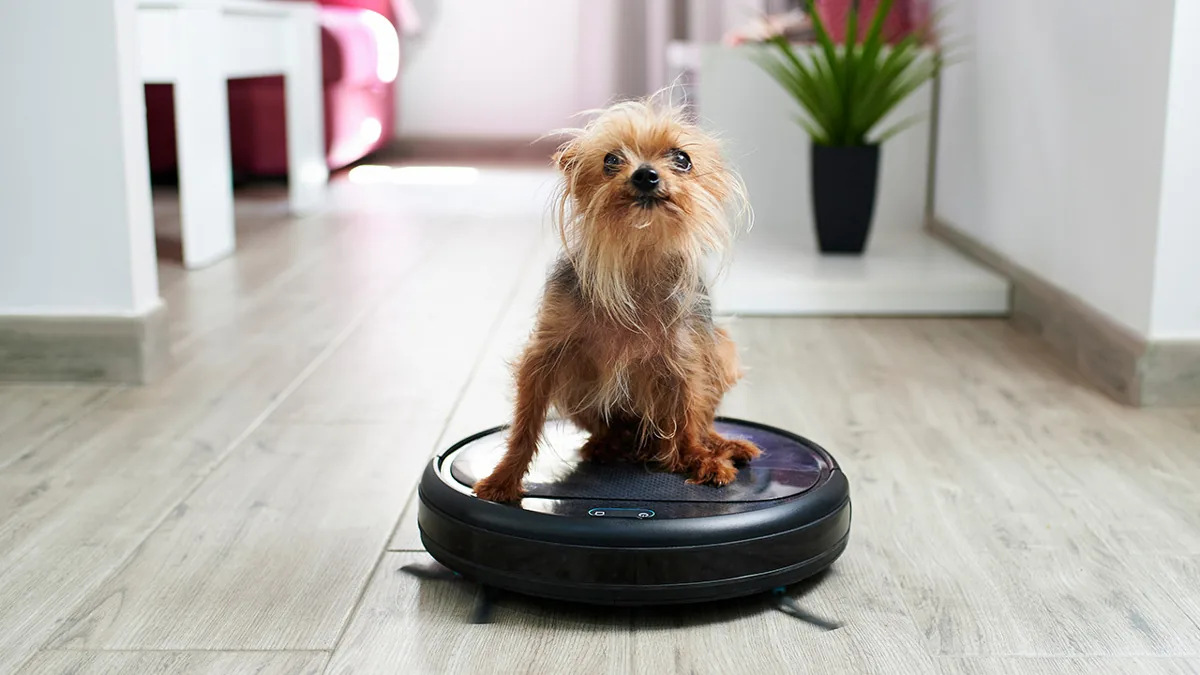
The Evolution of Pet Hair Combat: A Robot Vacuum Story
Robot vacuums have come a long way since their early days of random bumping and minimal suction. Initially seen as novel gadgets, they’ve evolved into sophisticated cleaning machines, especially adept at managing the unique challenges posed by pets. From basic floor sweepers, these devices have transformed into intelligent companions equipped with advanced sensors, powerful suction, and specialized brushes designed specifically to tackle everything from fine cat dander to long dog hair. This technological leap has made them an indispensable tool for maintaining a pristine home, significantly reducing the daily effort required to keep pet-related mess at bay.
Key Technologies & Features That Conquer Pet Hair
When it comes to picking the ultimate robot vacuum to banish pet hair, it’s not just about flashy looks. It’s about a combination of smart engineering and thoughtful design, all working together to keep your home pristine. Here’s what truly makes a robot vacuum a pet hair champion.
Powerhouse Suction: More Than Just a Number
The heart of any good pet hair robot vacuum is its suction power. Measured in Pascals (Pa), this figure tells you how effectively the vacuum can lift dirt and, more importantly, embedded pet hair from various surfaces. While a standard robot vacuum might offer 2,000 to 3,000 Pa, for a home with pets, you’re looking for models with ideally 5,000 Pa or higher. Think of it this way: more power means less fur lingering in carpets or clinging to hard floors. The really advanced models, like the Roborock Saros 10R, even boast an astonishing 22,000 Pa, ensuring that even the most stubborn pet hair doesn’t stand a chance. Many of these intelligent machines can also automatically adjust their suction power when they transition from hard floors to carpets, ensuring optimal cleaning without you lifting a finger.
Tangle-Free Brushes: The Pet Owner’s Best Friend
If you’ve ever spent frustrating minutes snipping hair from a vacuum brush, you know this is a game-changer. Traditional bristle brushes are notorious for getting tangled with pet hair. That’s why the best robot vacuums for pet hair often feature rubber brushrolls or innovative dual-brush systems. These designs are specifically engineered to prevent hair from wrapping around the brushes, ensuring consistent cleaning performance and significantly less maintenance for you. Models like the Roborock S8 MaxV Ultra feature twin rubber brushrolls that excel at picking up hair without jamming. This simple yet effective design innovation means your robot vacuum can run day after day, effectively collecting fur without needing constant intervention.
Self-Emptying Docks & Ample Dustbins: Hands-Off Hair Management
Let’s be real, emptying a tiny dustbin full of pet hair daily isn’t ideal. That’s why a self-emptying base is a non-negotiable feature for many pet owners. These docks automatically transfer the robot’s collected debris into a much larger, sealed bag or container in the charging base. This means you only have to deal with emptying the main dock every few weeks, or even up to 75 days, depending on the model and the amount of shedding in your home. It’s the ultimate convenience, allowing for truly hands-off cleaning and preventing you from encountering a furry explosion every time you need to clear the bin.
Smart Navigation & Object Avoidance: A Clear Path to Cleanliness
Pet homes are often full of surprises – toys, food bowls, and sometimes, unfortunate pet accidents. Advanced navigation systems, such as LiDAR (Light Detection and Ranging) mapping, allow robot vacuums to meticulously map your home, create efficient cleaning paths, and remember no-go zones. Even more crucial for pet owners is sophisticated object avoidance technology, often powered by AI and built-in cameras. This enables the robot to detect and skillfully navigate around obstacles, preventing it from getting stuck or, even worse, smearing pet waste across your floors. The iRobot Roomba j7+, for example, is specifically designed to recognize and avoid pet waste, offering invaluable peace of mind.
Advanced Filtration: Breathing Easier with HEPA
Pet dander is a common allergen, and a good robot vacuum can play a significant role in reducing it. Look for models equipped with high-efficiency filters, often referred to as HEPA (High-Efficiency Particulate Air) filters. These filters are capable of trapping tiny particles, including pet dander, pollen, and dust mites, preventing them from being recirculated into the air. This feature is particularly beneficial for allergy sufferers, contributing to a cleaner, healthier indoor environment for everyone.
2-in-1 Vacuum & Mop Combos: Tackling Hair and Paw Prints
For homes with pets, cleaning often goes beyond just vacuuming. Muddy paw prints, spilled water, or sticky food messes require a different approach. Many modern robot vacuums offer a 2-in-1 vacuum and mop functionality, providing a comprehensive floor cleaning solution. These hybrid models can vacuum up hair and debris first, then mop your hard floors, often in a single pass. Some even come with intelligent features like self-washing and drying mop pads, and extendable mop arms that reach into corners, ensuring thorough cleaning of both dry and wet messes without you having to intervene. The Roborock Saros 10R, for instance, not only vacuums powerfully but also features dual spinning mops that excel at scrubbing hard stains and self-cleaning capabilities for the mop pads.
Choosing Your Pet Hair Champion: A Buyer’s Guide
Navigating the world of robot vacuums for pet hair can feel overwhelming, but finding the right fit for your home and furry companions doesn’t have to be. Let’s break down the key considerations to help you make an informed decision.
First, consider your pet type and shedding level. Do you have a long-haired cat that leaves fine fur everywhere, or a large dog that sheds dense clumps? This will influence the suction power and brushroll type you need. For heavy shedding, prioritizing high Pa suction and rubber brushrolls is crucial.
Next, evaluate your home’s floor types. A robot vacuum that excels on hard floors might struggle with thick carpets, and vice versa. Many top models today offer excellent performance across multiple surfaces, but if your home is predominantly one type, you might optimize for that. For instance, the Narwal Freo X Ultra is highly praised for its performance on hard floors.
Budget considerations are always a factor. While premium models offer the most advanced features and convenience, there are excellent mid-range and even budget-friendly options that effectively tackle pet hair. The TP-Link Tapo RV30 Max Plus stands out as a strong budget-friendly 2-in-1 option that still includes a self-emptying bin. Remember, investing in a robot vacuum often pays dividends in saved time and a cleaner home.
Finally, think about the smart features you truly need. While advanced mapping, app control, scheduling, and no-go zones are standard on many good models, not everyone requires every bell and whistle. Focus on features that genuinely enhance your cleaning experience and address your specific pet-related challenges, such as AI-powered object avoidance if your pets leave toys or other small items around frequently.
Optimizing Performance and Troubleshooting Common Pet Hair Challenges
Even the best robot vacuum for pet hair needs a little love to perform at its peak. Consistent care ensures it keeps your home spotless and free of fur.
Regular maintenance is key. Make it a habit to regularly clean the brushrolls, filters, and side brushes. Despite anti-tangle designs, some hair might still accumulate, and a quick clean every few runs will prevent clogs and maintain optimal suction. Filters, especially HEPA filters, should be cleaned or replaced according to the manufacturer’s recommendations to ensure effective dander capture.
Setting a consistent schedule can dramatically improve your home’s cleanliness. Instead of waiting for fur to build up, program your robot vacuum to run daily or every other day. This proactive approach prevents large accumulations of pet hair, making each cleaning cycle more efficient. Many smart apps allow you to schedule cleanings for specific times or days, even when you’re not home.
Dealing with hair clogs is less frequent with rubber brushes, but if your robot vacuum starts leaving trails of hair, it’s likely a clog. Check the brushroll, intake, and wheels for tangled hair or debris. Most modern robot vacuums are designed for easy access to these components for quick cleaning. Also, ensure your robot’s dustbin is emptied regularly – a full bin reduces suction efficiency. If you have a self-emptying model, check its larger dustbin in the dock.
Life with a Robot Vacuum: Beyond Clean Floors
Integrating a robot vacuum into your home is more than just outsourcing a chore; it’s about enhancing your lifestyle. The most immediate benefit is the time-saving convenience. Imagine coming home to clean floors, day after day, without having to lift a finger. This frees you up for more quality time with your family, hobbies, or simply relaxing with your pet.
Beyond just picking up hair, a robot vacuum contributes to improved home hygiene. By routinely removing pet hair, dander, and dust, it helps create a healthier environment, especially for those with allergies. The consistent cleaning prevents allergens from accumulating, leading to fresher air and a noticeably cleaner feel throughout your living space.
Modern robot vacuums seamlessly integrate into smart home ecosystems. Many models can be controlled via smartphone apps, allowing you to schedule cleanings, define no-go zones, or start a cleaning cycle from anywhere. Voice assistant compatibility with Amazon Alexa or Google Assistant means you can simply say, “Hey Google, tell the robot to clean the living room,” and your floors are on their way to being spotless. This level of connectivity makes managing your home cleaning effortless and truly smart.
Expert Insights on Robot Vacuums for Pet Hair
“In my years of observing smart home technology, the evolution of robot vacuums for pet owners has been remarkable,” shares Dr. Eleanor Vance, a leading expert in home automation and appliance innovation. “The focus on anti-tangle brush systems and powerful, adaptable suction has truly transformed them from basic cleaners into indispensable tools for pet households. What’s more, features like pet waste avoidance are a testament to how manufacturers are listening to real-world challenges faced by pet parents, making these devices not just efficient, but genuinely intelligent companions in home care.”
FAQs about Robot Vacuums and Pet Hair
Q1: Can robot vacuums truly handle all pet hair?
While a high-quality robot vacuum, especially one designed for pets, can handle the vast majority of daily pet hair shedding, it’s generally best for maintenance cleaning. For deeply embedded hair in thick carpets, a more powerful upright or canister vacuum might still be needed for occasional deep cleans.
Q2: How often should I run my robot vacuum with pets?
For homes with shedding pets, running your robot vacuum daily or every other day is highly recommended. This prevents hair from accumulating and keeps your floors consistently clean, reducing the overall workload.
Q3: Are 2-in-1 robot vacuum and mops good for pet hair?
Absolutely! Many 2-in-1 models are excellent for pet owners as they can not only vacuum up hair and dander but also tackle paw prints, spills, and other wet messes. Look for models with effective mopping systems and self-cleaning features.
Q4: What suction power is best for pet hair?
For effective pet hair removal, look for a robot vacuum with at least 5,000 Pa (Pascals) of suction power. Higher suction, especially for carpets, will yield better results. Some premium models offer significantly more.
Q5: How important is obstacle avoidance for pet owners?
Extremely important! Advanced obstacle avoidance, particularly with pet waste recognition, is crucial for pet owners. It prevents the robot from getting stuck on toys or, more critically, from spreading pet accidents around your home.
Ready to Embrace a Fur-Free Home?
The quest for the best robot vacuum for pet hair is a journey towards a cleaner, more convenient, and ultimately happier home. With the rapid advancements in technology, these intelligent cleaners have evolved into indispensable allies for pet parents, offering powerful suction, tangle-free brushes, and smart features that tackle pet-related messes with impressive efficiency. By understanding the key features and choosing a model that aligns with your specific needs, you’re not just buying an appliance; you’re investing in peace of mind and more quality time with your beloved companions. So, why wait? Let a robot vacuum take on the fur, and reclaim your home from the constant battle against shedding. Your floors (and your back) will thank you!