Ah, the joys of pet ownership! The wagging tails, the purring cuddles, and… the endless tumbleweeds of pet hair. If you share your home with furry friends, you know the daily battle against shedding can feel relentless. But what if there was a way to keep your floors pristine without constantly wielding a traditional vacuum? Enter the hero of modern pet homes: the robot vacuum designed specifically for pet hair. These ingenious devices aren’t just gadgets; they’re vital allies in maintaining a clean, dander-free living space, transforming the way pet owners manage their daily cleaning routines.
Why Pet Owners Need a Specialized Robot Vacuum
Standard robot vacuums can handle everyday dust and debris, but pet hair presents a unique challenge. It’s finer, more abundant, and often deeply embedded in carpets or clinging stubbornly to hard floors. A specialized robot vacuum goes beyond the surface, offering features engineered to tackle the toughest pet messes.
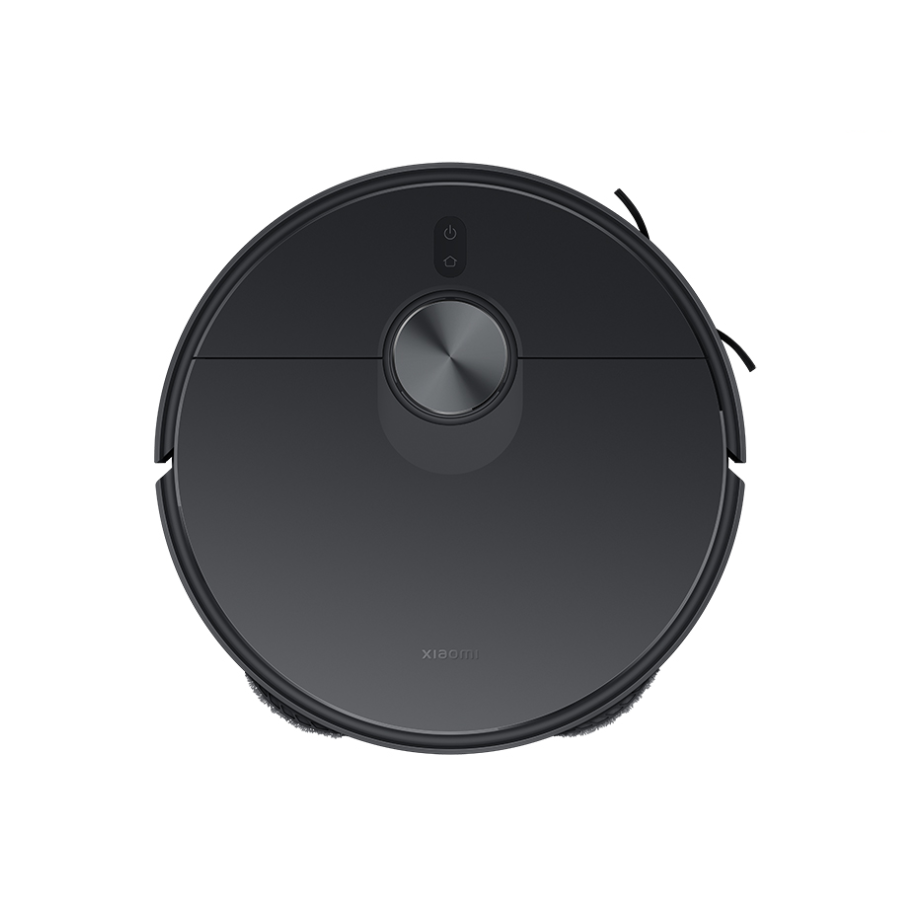
Beyond Surface Level: Tackling Embedded Hair and Dander
Pet hair isn’t just unsightly; it carries dander, microscopic skin flakes that are a primary cause of pet allergies. Specialized robot vacuums are equipped to dig deeper, ensuring that both visible fur and invisible allergens are effectively removed. This isn’t just about clean floors; it’s about a healthier home environment for everyone.
The Tangle-Free Dream: How Advanced Brushes Make a Difference
One of the most common frustrations with vacuums and pet hair is the inevitable tangling around brushrolls. Traditional bristles can quickly become matted, reducing cleaning effectiveness and requiring messy, frequent manual detangling. Robot vacuums built for pet hair often feature innovative brush designs, like rubber or dual brushrolls, that are specifically engineered to resist tangles, ensuring continuous, efficient cleaning.
Key Features That Make a Robot Vacuum a Pet Owner’s Best Friend
When navigating the world of robot vacuums for pet hair, certain features stand out as non-negotiable for true effectiveness and convenience.
Power Through the Fur: Unpacking Suction Strength
What truly defines a robot vacuum’s ability to conquer pet hair is its suction power, typically measured in Pascals (Pa). Pet hair, especially when embedded in carpets, requires significant force to lift. While general robot vacuums might offer 2,000-3,000 Pa, dedicated pet hair models often boast 5,000 Pa or more, with some advanced units reaching an impressive 22,000 Pa for unparalleled cleaning depth. Look for models that can automatically adjust suction power when transitioning from hard floors to carpets, ensuring optimal performance across all surfaces.
The Smart Way to Clean: Innovative Brushroll Technologies
How do anti-tangle brushes work, and what are the best types? The secret lies in their design. Many top-tier robot vacuums for pet hair employ rubber brushrolls or dual-brush systems (often called “DuoBrush” or “DuoDivide” technologies). Unlike traditional bristle brushes that easily snag and wrap long hairs, rubber brushes are designed to flex and agitate, effectively loosening and lifting hair without getting tangled. Some even feature an “auto-detangle” function, where the brush reverses or uses a comb to clear hair during the cleaning cycle, drastically reducing manual maintenance.
Breathing Easier: The Role of HEPA Filtration
Why are HEPA filters essential for homes with pets? Pet dander is a common allergen, and these tiny particles can remain suspended in the air. HEPA (High-Efficiency Particulate Air) filters are specifically designed to capture at least 99.97% of airborne particles 0.3 micrometers in diameter, including pet dander, dust mites, and pollen. This means that while your robot vacuum is cleaning your floors, it’s also actively improving your home’s air quality, making life much more comfortable for allergy sufferers.
Hands-Off Cleaning: The Convenience of Self-Emptying Docks
How often do self-emptying robot vacuums need attention? For pet owners, whose robot vacuums can fill up with fur surprisingly quickly, a self-emptying dock is a game-changer. These intelligent bases automatically transfer the collected dirt and pet hair from the robot’s internal bin into a larger sealed bag or container in the dock, often holding weeks’ worth (up to 75-100 days) of debris. This drastically reduces the frequency of manual emptying, turning a daily chore into a monthly task, offering true hands-off convenience.
Navigating the Pet Landscape: Advanced Mapping and Obstacle Avoidance
Can robot vacuums truly avoid pet messes and toys? Modern robot vacuums for pet owners come equipped with advanced navigation systems, often combining LiDAR (Light Detection and Ranging) mapping, RGB cameras, and 3D structured light sensors. These technologies allow the robot to accurately map your home, learn layouts, and crucially, detect and avoid common household obstacles like pet toys, food bowls, and even unexpected pet accidents. This intelligent avoidance prevents the robot from getting stuck or, worse, spreading a liquid mess across your clean floors. Customizable “no-go zones” also allow you to designate areas the robot should steer clear of.
The Best of Both Worlds: Hybrid Vacuum-Mop Combos for Pet Owners
Are 2-in-1 robot vacuums effective on pet hair and dander? Many contemporary robot vacuums offer both vacuuming and mopping functions, providing a comprehensive floor cleaning solution. For pet owners, this means tackling not only dry fur but also muddy paw prints and drool. While some early hybrid models faced challenges with carpeted pet hair due to the mop pad interfering with brush contact, newer designs address this with features like automatic mop-lifting systems, which raise the mop pads when the robot detects carpet, or completely detachable mop modules. Some advanced docks even wash and hot-air dry the mop pads, ensuring maximum hygiene.
Choosing Your Ideal Robot Vacuum for Pet Hair: A Detailed Guide
Selecting the perfect robot vacuum can feel overwhelming with the myriad of options available. Here’s a step-by-step approach to ensure you pick the best fit for your pet-filled home.
Assess Your Home’s Unique Needs
Start by considering your specific situation. How many pets do you have, and how much do they shed? Do you have long-haired or short-haired pets? What types of flooring dominate your home – mostly hard floors, carpets, or a mix? Understanding these factors will help you prioritize features like suction power, brush type, and mopping capabilities. If you have mostly hard floors, almost any robot vacuum will do a decent job with surface hair, but carpets require more power and specialized brushes.
Prioritize Essential Features
Based on your assessment, focus on the must-have features. For heavy shedding, strong suction (5,000 Pa+) and anti-tangle rubber or dual brushrolls are crucial. If allergies are a concern, a HEPA filter is non-negotiable. For maximum convenience, especially with multiple pets, a self-emptying dock is a worthy investment. Advanced navigation and obstacle avoidance are vital to prevent mishaps with pet belongings or accidents.
Consider Your Budget
Robot vacuums for pet hair range widely in price, from budget-friendly options to premium models. Determine what you’re willing to spend, but remember that investing in key features like powerful suction and anti-tangle brushes can save you headaches and maintenance time in the long run. Don’t be swayed by unnecessary smart features if they don’t align with your core needs.
Maximizing Performance: Tips for Pet Owners
Once you’ve chosen your ideal robot vacuum, a few simple practices will ensure it operates at its peak, keeping your home consistently clean.
Frequent Cleaning Schedules
One of the biggest advantages of a robot vacuum is its ability to clean regularly without your direct intervention. For homes with pets, running your robot vacuum daily, or even multiple times a day if you have heavy shedding, can significantly keep pet hair under control. Utilize the scheduling features in your robot vacuum’s app to automate this process, maintaining a consistently cleaner floor and reducing the build-up of fur.
Regular Maintenance is Key
Even with anti-tangle brushes and self-emptying docks, some maintenance is inevitable. Pet hair, lint, and debris can accumulate over time, affecting performance. Make it a habit to check and clean the brushroll, side brushes, and filters at least once a week. Removing tangled hair and clearing debris from the brush axles ensures your robot vacuum operates efficiently and extends its lifespan. If your model has a mop, regular cleaning and drying of the mop pads are also essential for hygiene.
Pet Acclimation and Floor Preparation
Introduce your robot vacuum to your pets gradually. Some pets are curious, others are wary. Start by running it in an empty room, allowing your pet to get used to the sounds and movement from a distance. Always clear the floor of small pet toys, food bowls, and loose cables before a cleaning cycle to prevent the robot from getting stuck or damaging items. This preparation ensures a smooth cleaning experience and protects both your robot and your pet’s belongings.
The Evolution of Robot Vacuums: A Brief History
The journey of the robot vacuum from a futuristic concept to a household staple is fascinating. Early models, appearing in the late 1990s and early 2000s, were rudimentary, often bumping haphazardly around rooms with basic navigation. Their primary function was light dust collection. Over the past two decades, however, rapid advancements in AI, sensor technology (like LiDAR), battery life, and brushroll design have transformed them. Today’s robot vacuums are sophisticated cleaning machines, capable of intelligent mapping, obstacle avoidance, and specialized tasks like deep cleaning for pet hair and mopping, integrating seamlessly into smart homes.
Integrating Your Robot Vacuum into a Smart Home Ecosystem
Modern robot vacuums are more than just cleaning appliances; they’re integral parts of the smart home. Through dedicated apps, you can control your robot vacuum remotely, set cleaning schedules, define no-go zones, and view cleaning maps. Many models also offer compatibility with voice assistants like Amazon Alexa and Google Assistant, allowing for hands-free control. Advanced features can include live video feeds to check on pets while you’re away, two-way audio communication, and even AI that learns pet-related patterns, like avoiding areas where pets frequently eat or have accidents. This connectivity provides pet owners with unprecedented control and peace of mind.
Expert Insights: What the Pros Say About Pet Hair Robot Vacuums
“For pet owners, a robot vacuum isn’t a luxury; it’s a necessity for maintaining a truly clean and allergen-reduced home,” explains Dr. Anya Sharma, a renowned Veterinary Health & Smart Home Integration Specialist. “The combination of powerful suction, specialized rubber brushes, and high-efficiency filters is a game-changer, especially for households with multiple shedding animals. These devices drastically cut down on airborne dander, leading to better respiratory health for both humans and pets.”
FAQ: Your Top Questions About Robot Vacuums for Pet Hair Answered
Q1: Is a robot vacuum worth it for pet hair?
Absolutely! Robot vacuums designed for pet hair offer powerful suction, specialized anti-tangle brushes, and advanced filtration systems that effectively remove pet hair and dander from your floors, significantly improving indoor air quality and reducing the need for manual vacuuming.
Q2: What is the ideal suction power for a robot vacuum dealing with pet hair?
Ideally, look for a robot vacuum with a suction power of at least 5,000 Pascals (Pa). More advanced models can offer up to 22,000 Pa, providing superior pickup, especially for embedded hair in carpets.
Q3: How do robot vacuums prevent hair from tangling?
Many specialized robot vacuums feature rubber brushrolls or dual-brush systems instead of traditional bristles. These designs are less prone to tangling and some even include auto-detangling functions to keep the brushes clear.
Q4: Can robot vacuums help with pet allergies?
Yes, they can! Robot vacuums equipped with HEPA filters are crucial for capturing pet dander and other microscopic allergens as small as 0.3 microns, helping to improve air quality and alleviate allergy symptoms.
Q5: How often should I run my robot vacuum if I have pets?
For optimal results and to keep pet hair consistently under control, it is recommended to run your robot vacuum daily, especially if you have multiple pets or heavy shedders. Many models allow you to schedule automatic daily cleanings.
Conclusion
Living with pets brings immeasurable joy, but managing their shedding doesn’t have to be a constant struggle. The best robot vacuums for pet hair offer a powerful, intelligent, and often hands-free solution, freeing you from daily chores and giving you more time to enjoy with your beloved companions. By focusing on essential features like robust suction, anti-tangle brushrolls, efficient filtration, and smart navigation, you can select a device that not only keeps your home impeccably clean but also enhances your quality of life. Embrace the future of pet-friendly cleaning and experience the true peace of mind that comes with a consistently spotless home. So go ahead, find your perfect robotic helper and let it tackle the fur, while you focus on the fun!