Tired of pushing a bulky vacuum cleaner around your home? Imagine a world where your floors are spotless without you lifting a finger. That’s the promise of a robot vacuum, and when you add advanced mapping technology to the mix, you’re not just getting a cleaning device; you’re investing in a sophisticated home assistant. The Best Mapping Robot Vacuum doesn’t just wander aimlessly; it learns your home’s layout, ensuring every nook and cranny is meticulously cleaned, transforming your daily chores into an effortless experience.
The Evolution of Clean: A Brief History of Robot Vacuums
Robot vacuums have come a long way since their inception. Early models, while revolutionary in concept, often relied on random bumper-and-go navigation. They might clean the same spot multiple times while completely missing others, leading to an inconsistent cleaning experience. These rudimentary devices were a start, but they were far from the intelligent cleaners we know today. The real game-changer began with the introduction of sophisticated navigation and mapping technologies, transforming them from novelty gadgets into indispensable smart home appliances. This evolution marked a shift from simple automation to intelligent, strategic cleaning.
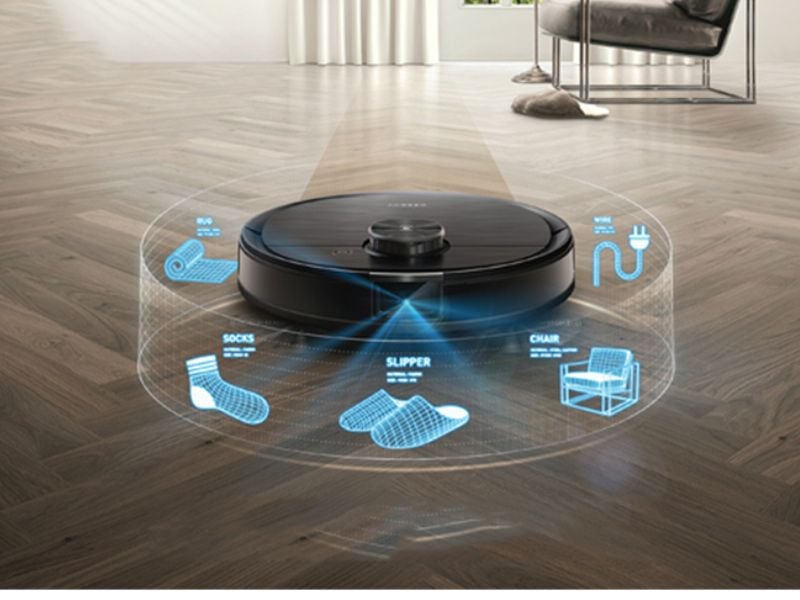
Mapping Magic: How Robot Vacuums See Your Home
At the heart of every top-tier cleaning bot lies its mapping capability. This isn’t just about knowing where it’s been; it’s about understanding the entire layout of your home to plan the most efficient cleaning path.
LiDAR vs. VSLAM vs. Gyroscope
The primary mapping technologies include:
- LiDAR (Light Detection and Ranging): Often considered the gold standard, LiDAR mapping uses a spinning laser to create a precise 3D map of your home. It’s highly accurate, works well in the dark, and quickly builds detailed floor plans.
- VSLAM (Visual Simultaneous Localization and Mapping): VSLAM uses a camera to take images of your ceiling and surroundings, piecing them together to create a map. It’s excellent for object recognition and can adapt to changing environments but requires adequate lighting.
- Gyroscope Navigation: This is a more basic form of mapping, using gyroscopes to track the robot’s movement and estimate its position. While better than random navigation, it’s less precise than LiDAR or VSLAM and might struggle with complex layouts or multi-room homes.
Creating and Storing Maps
Once a mapping robot vacuum embarks on its first journey, it systematically explores your home, building a digital floor plan. This map is then stored in the robot’s memory or on a connected app. This stored map is crucial for its intelligence, allowing it to remember furniture placement, identify rooms, and even recognize specific areas you want to clean or avoid in the future.
Why a Mapping Robot Vacuum is a Game Changer
Upgrading to a mapping robot vacuum isn’t just about convenience; it’s about unlocking a new level of cleaning efficiency and control.
Pinpoint Precision Cleaning
With a stored map, your robot vacuum doesn’t just guess its way around. It knows exactly where it needs to go, ensuring systematic coverage and preventing missed spots. This precision means a deeper, more thorough clean every time, reaching areas that might be overlooked by non-mapping models.
Smart Zones and No-Go Lines
One of the most powerful features derived from mapping is the ability to set virtual boundaries. Through the companion app, you can easily draw “no-go zones” around pet bowls, fragile furniture, or children’s play areas, preventing your robot from entering those spaces. Conversely, “clean zones” allow you to direct the robot to focus on high-traffic areas like the kitchen or entryway for an extra deep clean.
Multi-Floor Mapping
For homes with multiple levels, the best mapping robot vacuum often boasts multi-floor mapping capabilities. This means the robot can save separate maps for each floor, adapting its cleaning routine seamlessly as you move it between levels. No more re-mapping or getting lost on stairs!
Efficiency and Time-Saving
“The efficiency gained from a mapping robot vacuum is remarkable,” says Dr. Lena Chen, Robotics Engineer at CleanTech Innovations. “By understanding the layout of your home, these robots can clean in a logical, linear path, dramatically reducing cleaning time and battery consumption compared to older, random navigation models.” This means less time waiting for your floors to be clean and more time for you.
Choosing Your Perfect Cleaning Companion: A Buyer’s Guide
Selecting the best mapping robot vacuum requires a bit of thought, as different models excel in different areas.
Assess Your Home’s Needs
- Home Size and Layout: Larger homes with complex layouts benefit most from advanced LiDAR mapping. For smaller, simpler spaces, a good VSLAM or even advanced gyroscopic model might suffice.
- Floor Types: Ensure the robot is suitable for your flooring – most handle hard floors and low-pile carpets, but some are better at tackling high-pile rugs or distinguishing between floor types.
- Pet Ownership: If you have pets, look for models with strong suction, tangle-free brushes, and larger dustbins (or auto-empty docks) to handle pet hair effectively.
- Allergy Concerns: HEPA filters are a must for allergy sufferers, trapping fine dust and allergens.
Mapping Technology Matters
While LiDAR generally offers the most accurate and reliable mapping, VSLAM technology has made significant strides in recent years, often offering excellent performance at a slightly lower price point. Consider your budget and the complexity of your home.
Features to Look For
- Auto-Empty Dock: A true luxury, this dock automatically empties the robot’s dustbin into a larger bag, allowing for weeks of hands-free cleaning.
- Obstacle Avoidance: Advanced models can identify and steer clear of common household obstacles like power cords, shoes, and even pet waste, preventing unfortunate messes.
- App Control and Customization: A robust app is crucial for setting up maps, defining zones, scheduling cleans, and adjusting suction power.
- Battery Life: Ensure the battery life is sufficient to clean your entire home on a single charge. Auto-recharge and resume features are also vital for larger homes.
Budget vs. Performance
“While premium mapping robot vacuums offer an unparalleled cleaning experience, there are excellent mid-range options that provide fantastic value,” advises Ms. Sarah Jenkins, Consumer Electronics Analyst. “Focus on the core mapping technology first, then layer on desired features within your budget.”
Maximizing Your Robot Vacuum’s Potential
Once you’ve chosen your mapping maestro, a few tips can help you get the most out out of it.
Placement and Preparation
- Clear the Clutter: Before the first mapping run, remove small items, cords, and obstacles from the floor. This allows the robot to create an accurate and comprehensive map.
- Docking Station Placement: Place the docking station in an open area with good Wi-Fi coverage, away from stairs or excessive clutter, to ensure the robot can easily find its way home.
Regular Maintenance for Peak Performance
Your robot vacuum is a workhorse, and like any appliance, it needs a little TLC.
- Empty the Dustbin Regularly: Even with auto-empty docks, manually checking and cleaning the dustbin, especially the filter, will maintain suction power.
- Clean Brushes and Sensors: Hair can tangle around brushes, and dust can accumulate on sensors, impacting navigation. Regular cleaning prevents these issues.
- Software Updates: Keep the robot’s firmware updated through the app to benefit from performance improvements and new features.
Troubleshooting Common Issues
Most issues can be resolved with simple steps:
- Robot is Lost: If the robot seems to lose its map, try restarting it and letting it perform a short clean from its dock to reorient itself.
- Poor Cleaning Performance: Check brushes for tangles, ensure the dustbin isn’t full, and clean the sensors.
- Connectivity Issues: Ensure your home Wi-Fi is strong where the robot operates and restart your router if necessary.
Seamlessly Smart: Integrating with Your Home Ecosystem
The best mapping robot vacuum seamlessly integrates into your existing smart home setup, elevating convenience to new heights.
Voice Control and Smart Home Hubs
Most advanced models are compatible with popular voice assistants like Amazon Alexa and Google Assistant. This means you can simply say, “Alexa, tell the robot to clean the living room,” or “Hey Google, start vacuuming.” This hands-free operation makes daily cleaning even more effortless.
Automated Routines
Link your robot vacuum with other smart devices to create automated routines. For instance, have the robot start cleaning when you leave the house, or pause automatically if a door sensor detects someone entering. This level of automation ensures your home stays clean without any direct intervention. Mr. David Miller, Smart Home Systems Architect, notes, “Smart home integration transforms a robot vacuum from a standalone appliance into an active participant in your home’s automated routines, making life genuinely easier.”
Frequently Asked Questions (FAQ)
What is the best mapping technology for robot vacuums?
LiDAR (Light Detection and Ranging) is generally considered the most advanced and accurate mapping technology, offering precise 3D floor plans and reliable navigation, even in low light.
Can mapping robot vacuums clean multiple floors?
Yes, many of the best mapping robot vacuum models offer multi-floor mapping, allowing them to save and use separate maps for different levels of your home, making cleaning multiple stories effortless.
How do I set no-go zones?
No-go zones are typically set through the robot’s companion smartphone app. You can simply draw virtual lines or boxes on the digital map to define areas the robot should avoid.
Are mapping robot vacuums worth the extra cost?
For most users, especially those with larger homes, pets, or complex layouts, the enhanced efficiency, control, and convenience offered by a mapping robot vacuum make the extra investment absolutely worthwhile.
How often should I run my mapping robot vacuum?
The ideal frequency depends on your home’s needs, including pets, foot traffic, and allergies. Many users find daily or every-other-day cleaning sufficient to maintain spotless floors.
What’s the difference between random navigation and mapping?
Random navigation means the robot moves haphazardly, cleaning until its battery dies or it hits an obstacle. Mapping navigation means the robot systematically learns your home’s layout to clean efficiently and thoroughly without missing spots.
How long do robot vacuum maps last?
Maps are generally stored indefinitely unless manually deleted. They can be updated if your furniture arrangement changes, ensuring the robot always has an accurate understanding of your home.
Conclusion
The best mapping robot vacuum is more than just a gadget; it’s an intelligent cleaning partner that brings unparalleled efficiency, convenience, and control to your home maintenance routine. By understanding your home’s layout with precision, these advanced devices free up your valuable time, ensuring your floors are consistently spotless. From navigating around obstacles to obeying virtual boundaries, a mapping robot vacuum adapts to your lifestyle, making the dream of a consistently clean home a reality. It’s time to upgrade your cleaning game and experience the future of home care – a smart, self-sufficient robot vacuum is waiting to transform your everyday.