Imagine a world where sparkling clean floors are a given, without you ever having to lift a finger. This isn’t a futuristic fantasy; it’s the everyday reality enabled by the marvel of the Automatic Vacuum Cleaner Robot. These ingenious devices have transformed home maintenance, offering a blend of convenience, cutting-edge technology, and consistent cleanliness that modern households deeply appreciate. If you’re looking to dive into the world of autonomous cleaning, or simply understand how these smart gadgets have become an indispensable part of our lives, you’re in the right place.
A Journey Through Time: The Evolution of the Automatic Vacuum Cleaner Robot
The concept of a robot taking over household chores might seem like a recent innovation, but the seeds of the automatic vacuum cleaner robot were sown decades ago. The earliest known patent for a “robot floor cleaner” dates back to 1956, envisioning a device that could autonomously clean floors, and even mop – a feature that has only recently become widespread.
The real breakthrough came in 1996 with the introduction of the Electrolux Trilobite, the first commercially available robot vacuum. While revolutionary for its time, the Trilobite had its limitations, often bumping into objects and struggling with efficient navigation. It used ultrasonic technology to detect obstacles, similar to how bats navigate. However, its pioneering spirit sparked immense consumer interest.
A significant leap occurred in 2002 when iRobot launched the Roomba, which quickly became the first commercially successful robot vacuum cleaner. The Roomba introduced fundamental features like basic obstacle detection, automatic recharging, and randomized cleaning patterns. Its patented three-stage cleaning system—using a side brush, a rolling brush, and a vacuum port—set a new standard for picking up dirt.
The 2010s saw robot vacuums gain true intelligence with the integration of laser-based mapping (LIDAR) and virtual barriers, allowing for more precise navigation and efficient cleaning paths. Today, these devices are packed with AI-powered recognition, advanced multi-floor mapping, and sophisticated self-emptying and mop-washing docking stations, ushering in an era of truly hands-off cleaning.
Unpacking the Tech: How Automatic Vacuum Cleaner Robots Work
At its core, an automatic vacuum cleaner robot is a sophisticated blend of mechanics, sensors, and software, all working in harmony to keep your floors spotless.
What are the key components of a robot vacuum?
The main components include a powerful motor for suction, various brushes to agitate and collect debris, a rechargeable battery, and an array of sensors for navigation.
Robot vacuums move using three wheels and employ a combination of side brushes to sweep debris into the vacuum’s path and main roller brushes to lift dirt from various surfaces. This debris is then sucked into a dustbin. Modern robots are powered by lithium-ion batteries, automatically returning to their charging dock when power runs low and resuming cleaning once recharged.
How do robot vacuums know where to go?
Navigation is where the magic truly happens. Robotic vacuum cleaners use a combination of sensors, cameras, and advanced mapping technology to understand their environment.
- LIDAR (Light Detection and Ranging): Many premium models use LIDAR sensors to create highly accurate digital maps of your home. This allows them to plan efficient cleaning routes, avoid obstacles, and even map multiple floors.
- Infrared Sensors: These detect looming obstacles and help the robot avoid drops like stairs.
- Bump Sensors: Located on the bumper, these detect collisions and prompt the robot to change direction.
- Wheel Sensors: These track wheel movements to calculate distance traveled and help the robot know its precise location, improving navigation.
- Cameras and AI: The latest generation integrates machine vision technology and artificial intelligence to identify and steer clear of common household obstacles like cables, stray socks, and even pet waste, without needing to bump into them.
- SLAM (Simultaneous Localization and Mapping): This computational approach allows the robot to map its surroundings as it cleans, tracking areas already covered and identifying areas yet to be cleaned, optimizing routes for greater efficiency.
Beyond the Basics: Types and Key Technologies in Today’s Robots
The market for automatic vacuum cleaner robots is diverse, offering models tailored to every need and budget. Understanding the types and technologies available is crucial for making an informed decision.
What advanced features should I look for in an automatic vacuum cleaner robot?
Today’s robot vacuums go far beyond just suction. Many models are now hybrid vacuum-mops, offering comprehensive floor care. They come equipped with auto-empty docking stations that can hold weeks or even months of debris, and advanced versions even wash and dry their own mop pads and refill water tanks, minimizing human intervention. Some docks also include HEPA filtration to trap allergens, a boon for allergy sufferers.
Other prominent technologies include:
- Superior Suction Power: High-end models boast suction ratings upwards of 4000 Pa, capable of deep carpet cleaning and extracting dirt from crevices. Many automatically boost suction when detecting carpet.
- Precise Obstacle Avoidance: Utilizing multiple LIDAR sensors, cameras, and AI, these robots can deftly maneuver around furniture and clutter.
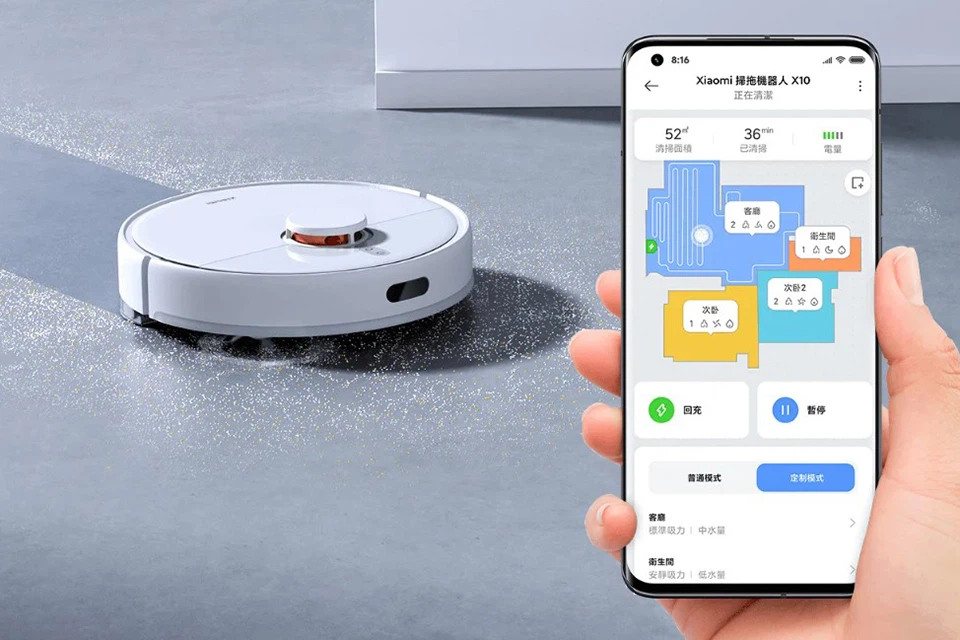
- Smart App and Voice Control: Most Wi-Fi connected robots can be programmed, controlled, and monitored via smartphone apps or voice commands through virtual assistants like Amazon Alexa and Google Assistant.
- Customizable Cleaning: Features like multi-floor mapping, virtual no-go zones, and targeted room cleaning allow you to customize where and when your robot cleans.
- Pet-Specific Features: Some robots are designed with active hair removal systems and specialized brushes to tackle pet hair effectively.
Your Smart Cleaning Companion: Choosing and Using an Automatic Vacuum Cleaner Robot
Picking the right automatic vacuum cleaner robot can feel overwhelming, but by considering your specific needs, you can narrow down the choices.
How do I choose the best robot vacuum for my home?
When selecting an automatic vacuum cleaner robot, consider these factors:
- Floor Type: Do you have mostly hard floors, carpets, or a mix? Some robots excel on one surface over another, while many hybrids handle both.
- Pet Ownership: If you have furry friends, look for models with strong suction, anti-tangle brush rolls, and large dustbin capacities or self-emptying docks.
- Home Size & Layout: Larger homes benefit from advanced mapping capabilities and longer battery life. Homes with many obstacles or multiple levels will need superior navigation and multi-floor mapping.
- Desired Features: Prioritize features like mopping, self-emptying, obstacle avoidance, or smart home integration based on your lifestyle.
- Budget: Prices vary widely, from budget-friendly models to premium robots packed with every conceivable feature.
- Suction Power: Measured in Pascals (Pa), higher numbers generally mean better cleaning, especially for deep carpets.
- Battery Life: Consider run time, especially for larger homes. Most return to charge and resume cleaning.
What are some tips for using my robot vacuum effectively?
To get the most out of your robot, a little preparation goes a long way:
- Clear the Path: Before a cleaning session, pick up small objects, loose cables, and anything that could get tangled in the brushes.
- Regular Maintenance: Empty the dustbin frequently (or let the self-emptying dock handle it). Clean the brushes, filters, and sensors regularly to maintain optimal performance.
- Schedule Cleaning: Utilize the scheduling feature via the app to ensure your floors are cleaned consistently, even when you’re not home.
- Use Virtual Boundaries: If your robot has mapping, set up no-go zones for areas you want it to avoid, such as pet food bowls or delicate rugs.
Maximizing Performance & Troubleshooting Common Hiccups
Even the smartest devices can sometimes face minor issues. Knowing how to optimize your automatic vacuum cleaner robot and troubleshoot common problems will ensure a smooth cleaning experience.
How can I optimize my robot vacuum’s performance?
- Keep Sensors Clean: Dust and debris on sensors can impair navigation. Wipe them regularly with a soft cloth.
- Maintain Brushes and Filters: Clogged brushes reduce cleaning efficiency, and dirty filters can affect suction and air quality. Clean or replace them as recommended by the manufacturer.
- Ensure Clear Pathways: While advanced robots handle obstacles well, removing clutter still helps them clean more efficiently and avoid getting stuck.
- Update Firmware: Manufacturers often release firmware updates to improve navigation, add features, and fix bugs. Keep your robot’s software up to date.
What if my robot vacuum gets stuck frequently or cleans poorly?
- Getting Stuck: Check for loose cables, high thresholds, or furniture it’s trying to climb over. Use no-go zones or physical barriers for persistent trouble spots.
- Poor Cleaning: This could be due to a full dustbin, clogged brushes, or a dirty filter. Ensure these are clean. Also, verify that the robot is covering all areas effectively, adjusting mapping or cleaning modes if necessary.
- Navigation Issues: Dirty sensors are a common culprit. If using a camera-based robot, ensure adequate lighting.
The Unseen Perks: Benefits of an Automatic Vacuum Cleaner Robot in Modern Life
Beyond simply cleaning floors, integrating an automatic vacuum cleaner robot into your daily life brings a wealth of advantages that profoundly impact modern living.
“The evolution of the automatic vacuum cleaner robot isn’t just about cleaning floors; it’s about reclaiming personal time and enhancing the smart living experience through intuitive, autonomous technology,” notes Dr. Anya Sharma, Lead Robotics Researcher at CleanTech Innovations.
What are the main benefits of owning a robot vacuum?
- Time-Saving Efficiency: This is perhaps the most significant advantage. Robot vacuums work autonomously, freeing up valuable time that you can dedicate to other tasks, hobbies, or simply relaxation.
- Consistent Cleanliness: By scheduling daily or frequent cleanings, your home maintains a higher level of cleanliness without constant manual effort.
- Improved Indoor Air Quality: Many models are equipped with high-efficiency filters (like HEPA filters) that trap fine dust and allergens, contributing to a healthier living environment.
- Reaches Hard-to-Reach Places: Their low profile allows robot vacuums to effortlessly glide under beds, couches, and other furniture, cleaning areas often missed by traditional vacuums.
- Ideal for Pet Owners: They are perfect for tackling daily pet hair and dander, significantly reducing the amount of fur around the house.
- Enhanced Accessibility: For individuals with busy schedules, the elderly, or those with mobility issues, robot vacuums offer unparalleled convenience and accessibility, requiring minimal physical effort.
Seamless Living: Integrating Your Automatic Vacuum Cleaner Robot into the Smart Home Ecosystem
The true power of an automatic vacuum cleaner robot is unleashed when it becomes a seamlessly integrated part of your smart home. This connectivity transforms a standalone appliance into an intelligent assistant.
How does a robot vacuum integrate with a smart home?
Many robot vacuums are compatible with popular smart home platforms like Amazon Alexa, Google Assistant, and even Apple HomeKit. This allows for:
- Voice Control: You can simply command your robot to start cleaning, pause, or return to its dock using voice commands.
- App Control: Beyond basic control, smartphone apps offer advanced features like setting detailed cleaning schedules, monitoring cleaning progress, creating virtual boundaries, and initiating specific room cleanings from anywhere.
- Multi-Device Sync: Imagine your robot vacuum starting its cleaning cycle automatically when your smart lock detects you’ve left the house, or pausing when a smart sensor indicates someone is home.
- Adaptive Intelligence: Thanks to advancements in AI and machine learning, many robot vacuums learn the layout of your home, remember which areas need more frequent cleaning, and adapt their patterns to your preferences and lifestyle. This personalization means your cleaning schedule truly adapts to you.
Conclusion
The automatic vacuum cleaner robot has evolved from a novelty into an essential smart home appliance, embodying the promise of effortless living. From its humble beginnings as the Electrolux Trilobite to today’s AI-powered marvels, these devices continually push the boundaries of home cleaning technology. They save time, maintain consistent cleanliness, improve air quality, and integrate seamlessly into our smart homes, offering a level of convenience and efficiency that was once unimaginable. For anyone seeking to simplify their household chores and reclaim valuable time, investing in an advanced automatic vacuum cleaner robot is a decision that pays dividends in both pristine floors and peace of mind. Experience the future of cleaning and discover the difference an automatic vacuum cleaner robot can make in your modern home.