Remember when keeping industrial spaces spotless was a grueling, never-ending battle? Today, the landscape of cleanliness is rapidly transforming, and at the forefront of this revolution stands the industrial robot vacuum. These aren’t your typical home cleaning gadgets; they’re robust, intelligent powerhouses designed to tackle the toughest cleaning challenges in demanding environments, from sprawling warehouses to bustling factory floors. For businesses keen on enhancing efficiency, reducing operational costs, and maintaining a pristine, safe environment, the industrial robot vacuum isn’t just a luxury – it’s becoming an essential partner.
The Evolution of Clean: A Brief History of Robot Vacuums
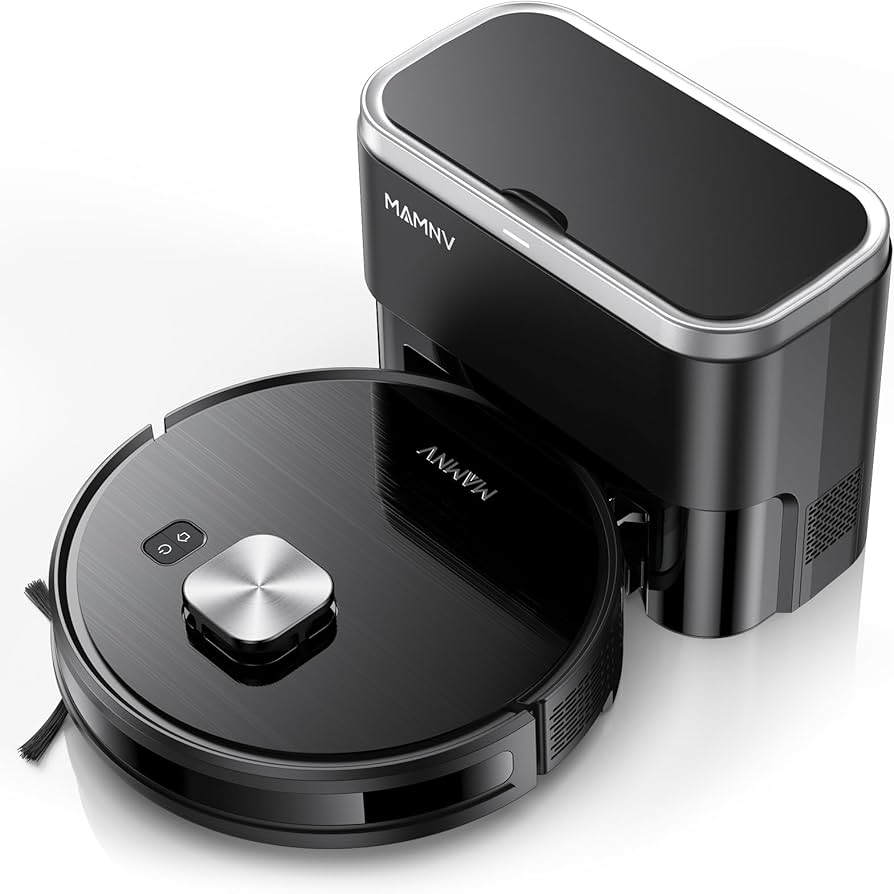
The journey of robotic vacuums began humbly, aimed at making domestic chores a little easier. Early models were simple, often bumping aimlessly around living rooms. However, as technology progressed, so did their capabilities. We’ve seen significant leaps, especially in areas like sensor technology, artificial intelligence, and sophisticated navigation systems. What started as a convenient home helper has blossomed into a diverse range of machines, culminating in the highly advanced industrial robot vacuum we see today – a testament to human ingenuity in automating even the most arduous tasks.
Beyond the Basics: Understanding Industrial Robot Vacuums
So, what truly sets an industrial robot vacuum apart from its residential or even standard commercial counterparts? It’s a combination of sheer power, unparalleled durability, and advanced intelligence. Imagine a vacuum designed to run continuously for hours, navigating complex layouts, and handling heavy-duty debris without flinching. That’s the core distinction. These machines are engineered with robust construction materials to withstand the rigors of demanding industrial environments, featuring high-capacity dustbins and powerful suction mechanisms far exceeding anything found in a home model. They are built for resilience and consistent performance in spaces that see constant traffic and significant grime.
Not All Robots Are Created Equal: Types and Cutting-Edge Technologies
The world of industrial robot vacuums is rich with innovation, offering specialized solutions for various needs. The most prevalent are fully autonomous models, capable of operating independently without constant human supervision. However, some settings might also utilize semi-autonomous or even manual-guided robots, offering more human control when needed.
The real magic, however, lies in the cutting-edge technologies that power these machines. LiDAR (Light Detection and Ranging) sensors create detailed 3D maps of their environment, allowing for precise navigation and obstacle avoidance. This is often paired with SLAM (Simultaneous Localization and Mapping) algorithms, enabling the robot to map an unknown environment while simultaneously tracking its location within it. Beyond these, 3D cameras, ultrasonic sensors, and infrared sensors further enhance their ability to detect and adapt to dynamic surroundings, recognizing everything from misplaced pallets to forklift tines. Many industrial robot vacuums are also integrating Artificial Intelligence (AI) and Internet of Things (IoT) capabilities, allowing for smarter decision-making, remote monitoring, and seamless integration into broader smart facility management systems.
Beyond basic vacuuming, many industrial robot vacuums are multifunctional marvels. You’ll find models that not only vacuum but also sweep, scrub, and even mop. Imagine a single machine capable of tackling different floor types with precision, thanks to specialized brushes and adjustable suction power. For instance, some industrial robot vacuum models come equipped with HEPA filters, significantly improving indoor air quality by capturing fine dust and allergens, a critical feature in many industrial and commercial settings.
Num
Product
Action
1
Robot Vacuum and Mop Combo, 2 in 1 Mopping Robotic Vacuum Cleaner with Schedule, Wi-Fi/App/Remote, Strong Suction, Self-Charging, Slim, Ideal for Hard Floor, Pet Hair, Low-Pile Carpet

2
iRobot Roomba 104 2in1 Vacuum & Mop Robot - Self-Empties for 75 Days, Intense Power-Lifting Suction, Vacuums All Floors, Ideal for Pet Hair, LiDAR Smart Navigation Mapping, Mops Hard Floors
3
iRobot Roomba 105 Combo Robot Vacuum & Mop with AutoEmpty Dock - Self-Empties for 75 Days, Intense Power-Lifting Suction, LiDAR Navigation, Multiple Cleaning Modes, Avoids Mopping Carpet
4
Redroad Robot Vacuum, Robot Vacuum and Mop 20,000 Pa,90 Day Self Emptying Vacuum Robot,5G/2.4GWiFi APP Aspirateur Robot
5
Tikom Robot Vacuum and Mop Combo, 5000Pa Robotic Vacuum Cleaner, 150 Min Max, App & Remote Control, Ideal for Hard Floor, Carpet, Pet Hair, Self-Charge(G8000 Max)
6
Shark AV2501S AI Ultra Robot Vacuum, with Matrix Clean, Home Mapping, 30-Day Capacity HEPA Bagless Self Empty Base, Perfect for Pet Hair, Wifi, Dark Grey
7
eufy Robot Vacuum 11S MAX, Super Thin, Powerful Suction, Quiet, Self-Charging Robotic Vacuum Cleaner, Cleans Hard Floors to Medium-Pile Carpets, Black
8
ILIFE V2 Robot Vacuum Cleaner, Tangle-Free Suction, 120 Mins Runtime, Slim, Self-Charging Robotic Vacuum Cleaner, Ideal for Pet Hair and Hard Floors
9
Robot Vacuum and Mop with Self-Emptying, Robotic Vacuum with 90-Day Hands-Free, Mapping, 5000Pa, LiDAR Navigation, Cleaning, Wi-Fi/App/Alexa Control, No-Go Zones,Ideal for Pet, Hard Floors, Carpet
10
iRobot Roomba 105 Vac Robot Vacuum with AutoEmpty Dock - Self-Empties for 75 Days, Easy to use, Intense Power-Lifting Suction, LiDAR Navigation, Multi-Surface Cleaning, Cleans in Neat Rows
Why Go Robotic? The Unrivaled Benefits of Industrial Robot Vacuums
The adoption of industrial robot vacuums isn’t just about keeping things tidy; it’s a strategic business decision that delivers a wealth of advantages.
Boosting Productivity and Efficiency
One of the most compelling reasons to embrace an industrial robot vacuum is the significant boost in productivity. These machines can operate autonomously, often 24/7, without breaks or distractions. This means your human staff can be reallocated to more complex, value-adding tasks that require human judgment and skill, rather than spending hours on repetitive cleaning routines. The continuous operation ensures that cleaning tasks are completed swiftly and efficiently, minimizing downtime and maximizing operational uptime.
Consistent Cleanliness, Elevated Standards
Unlike manual cleaning, which can vary based on the individual or the time of day, an industrial robot vacuum delivers a consistently high level of cleanliness every single time. Programmed to follow specific routes or adapt to dynamic environments with advanced sensors, they ensure thorough coverage, leaving no spot untouched. The integration of high-efficiency filters, such as HEPA filters, also means they actively improve indoor air quality by removing dust, allergens, and other particulate matter, contributing to a healthier environment for employees and visitors alike.
Enhanced Safety in Hazardous Environments
In industrial settings, certain areas can pose risks to human cleaners due to heavy machinery, hazardous materials, or excessive dust. By deploying an industrial robot vacuum, businesses can significantly minimize human exposure to these dangers. Robots can safely navigate and clean these challenging zones, reducing the risk of accidents and injuries, thereby creating a safer working environment for everyone.
Cost-Effectiveness and Long-Term ROI
While the initial investment in an industrial robot vacuum might seem substantial, the long-term cost savings are remarkable. Businesses can reduce labor costs significantly by needing fewer personnel for routine cleaning. Additionally, these robots are often more energy-efficient than traditional heavy-duty cleaning equipment, leading to lower utility bills. Their precise cleaning and ability to prevent dirt buildup also mean less frequent need for intensive deep cleaning, further contributing to a strong return on investment over time.
Navigating the Choice: Your Guide to Selecting an Industrial Robot Vacuum
Choosing the right industrial robot vacuum is a critical decision that requires careful consideration of your specific operational needs.
Assessing Your Space: Size, Layout, and Floor Types
First, consider the sheer scale of your operations. For large facilities, a key metric is productivity measured in square meters per hour (m²/h). A minimum of 1,000 m²/h is acceptable, but for optimal efficiency, especially with multiple cleaning cycles per day, aim for 1,500 m²/h or more. Furthermore, analyze your floor types. Most industrial spaces feature mixed flooring – concrete, tiles, laminate, or even carpeted office areas. You’ll need an industrial robot vacuum that can adapt seamlessly, perhaps with interchangeable brushes or intelligent surface detection.
Power and Endurance: Battery Life and Charging
Industrial settings demand continuous operation. Look for models with long-lasting battery life, ideally providing at least two hours of autonomous operation on a single charge for large areas. Fast-charging capabilities are also crucial, minimizing downtime and ensuring the robot is ready for its next shift quickly. Some advanced systems allow robots to automatically return to a docking station for recharging, further enhancing autonomy.
Handling the Heavy Load: Dustbin Capacity
Larger industrial spaces naturally generate more dirt and debris. Opt for an industrial robot vacuum with a generous dustbin capacity to minimize the frequency of emptying. This feature is vital for uninterrupted cleaning cycles, especially during off-peak hours when human intervention is minimal.
Smart Navigation for Complex Environments
The ability of an industrial robot vacuum to navigate complex and dynamic environments is paramount. Advanced navigation systems utilizing LiDAR, SLAM, and 3D cameras are essential for accurate mapping, obstacle detection, and efficient path planning. Features like an anti-lost function ensure the robot stays within its designated cleaning zone, while specialized cruise modes (e.g., “Pattern Mode” for wide-open warehouses and “Random Mode” for more cluttered spaces) allow for optimal cleaning strategies. These systems are designed to detect and avoid common industrial obstacles such as pallets and forklift tines.
Durability and Build Quality
An industrial robot vacuum is an investment designed for tough conditions. Prioritize models built with robust, durable materials that can withstand continuous heavy-duty use, impacts, and exposure to industrial dust and debris. This ensures longevity and consistent performance in harsh settings.
Maintenance, Support, and Customization
Consider the long-term aspects of ownership. What kind of maintenance does the robot require? Is professional setup or ongoing support readily available? Look for models that offer customization options, such as programmable cleaning schedules and defined cleaning zones, allowing you to tailor the robot’s operation to your facility’s unique needs.
Industrial Robot Vacuums in Action: Real-World Applications
The versatility of an industrial robot vacuum means it can be deployed across a vast array of sectors, delivering exceptional cleaning performance.
- Manufacturing Facilities: Essential for maintaining clean production environments, particularly in sensitive industries like pharmaceuticals and electronics, where even minor contamination can have significant consequences.
- Warehouses and Logistics Hubs: Ideal for large, open spaces with constant traffic, ensuring clear and safe pathways.
- Healthcare Facilities: Contributing to stringent hygiene standards by maintaining sterile environments, crucial for patient well-being.
- Hospitality and Retail: Maintaining pristine public areas to enhance customer experience and brand image.
- Education and Public Facilities: Keeping high-traffic areas clean and presentable for students and the general public.
The Smart Factory Ecosystem: Integrating Robot Vacuums into Smart Facilities
The true power of the industrial robot vacuum is fully unleashed when it’s integrated into a broader smart facility ecosystem. Leveraging IoT and AI, these robots can provide real-time data insights into cleaning performance, floor conditions, and operational efficiency. Imagine a central dashboard where you can monitor your entire fleet of cleaning robots, track their progress, and receive alerts – all from a smartphone or computer. This level of connectivity allows for predictive maintenance, optimized scheduling, and a comprehensive understanding of your facility’s cleanliness status, moving beyond simple automation to truly intelligent facility management.
Frequently Asked Questions About Industrial Robot Vacuums
Q: How much space can an industrial robot vacuum clean on a single charge?
A: The cleaning capacity varies by model, but many industrial robot vacuums are designed to cover significant areas, often exceeding 1,000 m² on a single charge, with some covering up to 1,393m2 or even football-field sized areas in a few hours.
Q: Are industrial robot vacuums suitable for all floor types?
A: Yes, many advanced industrial robot vacuums are designed for versatility, capable of cleaning various surfaces including concrete, tile, laminate, and carpet, often adjusting their cleaning approach automatically.
Q: What kind of maintenance do industrial robot vacuums require?
A: While requiring less frequent intervention than manual cleaning, industrial robot vacuums still need routine maintenance, including emptying dustbins, cleaning brushes, replacing filters, and regular software updates. Some larger models may require professional setup and servicing.
Q: Can industrial robot vacuums operate autonomously in complex, dynamic environments?
A: Absolutely. Modern industrial robot vacuums utilize advanced navigation technologies like LiDAR and SLAM, coupled with AI, to navigate complex layouts, detect and avoid obstacles, and adapt to changing environments in real-time.
Q: How do industrial robot vacuums improve workplace safety?
A: They enhance safety by automating cleaning in hazardous areas, reducing human exposure to risks, and maintaining consistently clean floors, which helps prevent slips, trips, and falls.
Q: What is the typical ROI for investing in an industrial robot vacuum?
A: The return on investment (ROI) typically comes from reduced labor costs, increased operational efficiency, energy savings, and longer lifespan compared to traditional cleaning equipment, leading to significant savings over time.
A Cleaner Tomorrow, Today
The industrial robot vacuum is more than just a cleaning tool; it’s a pivotal component of modern, efficient, and healthy workplaces. By embracing these intelligent machines, businesses can unlock unprecedented levels of cleanliness, operational efficiency, and safety. From historical innovations to the cutting-edge AI and IoT integrations of today, industrial robot vacuums are redefining what’s possible in facility maintenance. As you consider the future of your workplace, imagine the peace of mind that comes with a consistently spotless environment, managed by a tireless, intelligent partner. The future of industrial cleaning is here, and it’s autonomous.