Are you tired of constantly emptying your robot vacuum’s dustbin? Imagine a world where your floors stay spotless, and you barely lift a finger. That’s the promise of the best self emptying robot vacuum – a true game-changer in home cleaning. These clever devices have transformed the chore of vacuuming from a daily hassle into a truly hands-free experience.
The Evolution of Robot Vacuums: From Basic Bots to Smart Stations
Robot vacuums first entered our homes as fascinating gadgets, offering a glimpse into automated cleaning. While revolutionary, early models still demanded regular manual dustbin emptying, a task that often felt like trading one chore for another. Then came the pivotal innovation: the self-emptying feature. iRobot introduced the Roomba i7+ with this capability in 2018, marking a significant leap forward. Since then, the technology has rapidly evolved, with brands like Ecovacs, Roborock, Shark, and Eufy continually refining their offerings to deliver unparalleled convenience and performance. What was once a premium, high-end feature is now becoming more accessible, making the best self emptying robot vacuum a realistic aspiration for many households.
Beyond Basic Cleaning: Key Technologies in Self-Emptying Robot Vacuums
Modern self-emptying robot vacuums are packed with advanced features designed to maximize cleaning efficiency and minimize user intervention.
- Powerful Suction and Smart Brush Systems: These vacuums boast impressive suction power, often measured in Pascals (Pa), crucial for deep cleaning carpets and picking up stubborn debris. Many now feature innovative brush systems, like dual rubber brushrolls, specifically designed to prevent hair tangles – a blessing for homes with pets or long-haired occupants.
- Advanced Navigation and Mapping: Forget random bumping! Today’s top models utilize sophisticated navigation systems such as LIDAR (Light Detection and Ranging) to create precise maps of your home. This enables systematic cleaning paths, efficient coverage, and advanced features like setting virtual walls and “no-go zones” via a companion app. AI obstacle avoidance technology allows them to skillfully maneuver around furniture, cords, and even unexpected pet accidents, preventing frustrating jams.
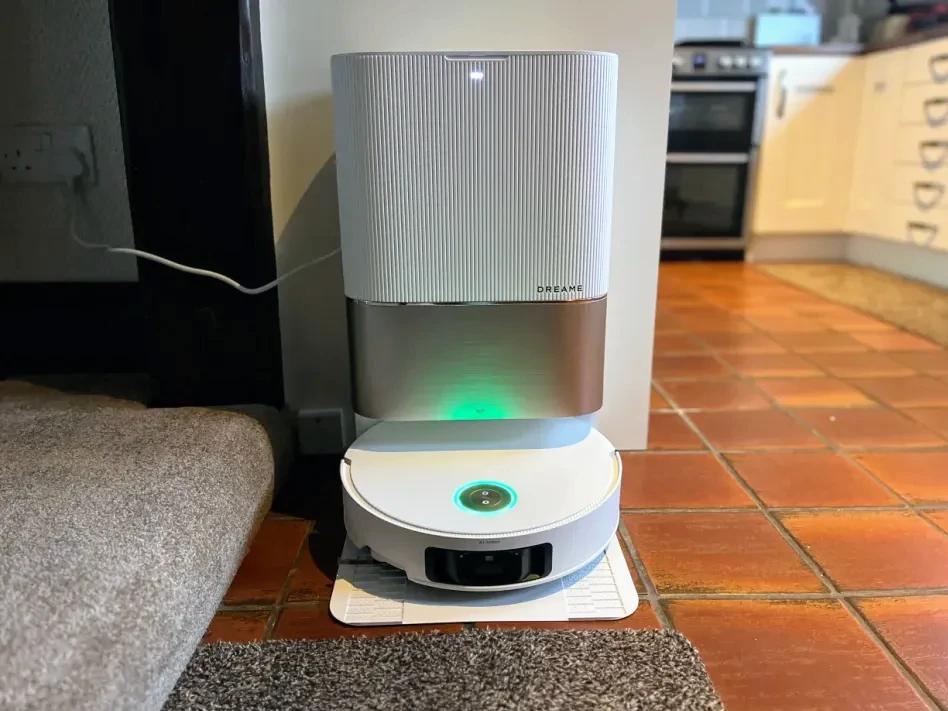
- The Magic of Self-Emptying: The core of these robots is their intelligent docking station. After each cleaning cycle, the robot returns to its base, where a high-suction channel automatically transfers collected dirt and debris from its internal dustbin into a larger, sealed container in the dock. This process, while sometimes noisy for a brief period, can store weeks or even months of debris, keeping the robot ready for its next run without your daily intervention.
- Hybrid Models: Vacuum and Mop Combos: Many of the best self emptying robot vacuum models now offer dual functionality, capable of both vacuuming and mopping. Premium hybrid docks take self-maintenance to another level, automatically washing and drying mop pads, refilling water tanks, and even dispensing detergent, ensuring a truly hands-off cleaning experience for hard floors. Some even lift their mop pads over carpets to prevent wetting them, making them versatile for multi-surface homes.
Finding Your Perfect Match: A Guide to Choosing the Best Self Emptying Robot Vacuum
Selecting the right self-emptying robot vacuum depends on your unique home and lifestyle. Here’s what to consider:
- Your Home’s Layout and Floor Types: Do you have mostly hard floors, carpets, or a mix? Look for models with strong suction for carpets and effective mopping capabilities for hard surfaces. Features like adjustable brushrolls and automatic mop-lifting are ideal for multi-surface homes. For multi-level homes, ensure the robot can store multiple maps and navigate high thresholds.
- Pets and Allergies: If you have furry friends, prioritize models with strong pet hair pickup, anti-tangle brushrolls, and advanced obstacle avoidance to steer clear of pet waste. Allergy sufferers will benefit greatly from models that use allergen-sealed bags in the self-empty dock, trapping dust and preventing its release back into the air.
- Battery Life and Dustbin Capacity: A longer battery life means the robot can clean larger areas on a single charge. The dock’s dustbin capacity dictates how often you need to manually empty it – capacities ranging from 30 to 60 days are common, with some extending to 75 days or more.
- Smart Features and App Control: A user-friendly app allows you to schedule cleanings, customize settings, view cleaning maps, and set virtual boundaries. Voice control integration with smart assistants like Amazon Alexa or Google Home adds another layer of hands-free convenience.
- Budget Considerations: While self-emptying robot vacuums generally come at a higher price point, the market now offers excellent value options. Prices have become more accessible since their debut, making them a worthwhile investment for the time and effort they save. Don’t forget to factor in the potential ongoing cost of replacement bags, though some brands offer bagless self-emptying systems.
Maximizing Your Robot Vacuum’s Potential: Tips for Performance and Troubleshooting
Even the best self emptying robot vacuum benefits from a little care and attention to ensure optimal performance.
- Strategic Dock Placement: Choose a clear, accessible spot for the docking station, away from stairs or heavy foot traffic. This ensures the robot can easily find its way home to charge and empty.
- Regular Maintenance (Minimal, but Important!): While self-emptying reduces daily chores, you’ll still need to occasionally empty the dock’s main canister (every few weeks/months depending on usage), clean the robot’s filters, and remove any lingering hair from brushrolls. Some models feature self-cleaning brushrolls to further minimize this task.
- Utilize Smart Mapping and Virtual Boundaries: Take advantage of the app’s mapping features to define “no-go zones” around delicate items, pet bowls, or intricate furniture. This prevents the robot from getting stuck and streamlines its cleaning path.
- Address Common Issues: If your robot frequently gets “lost” or stuck, check for new obstacles, clear cluttered areas, and ensure its mapping is up-to-date. Keep cords and small items off the floor to prevent tangles.
The Effortless Lifestyle: Benefits of a Self-Emptying Robot Vacuum in Modern Life
The primary appeal of a self-emptying robot vacuum is the unparalleled convenience it offers.
- Time-Saving and Unrivaled Convenience: Imagine returning to a consistently clean home without having spent any time vacuuming or even emptying a tiny dustbin. These devices free up valuable time for other activities or simply for relaxation.
- Superior Cleanliness and Allergy Relief: By automatically emptying its contents into a sealed bag, a self-emptying robot vacuum significantly reduces dust exposure, making it ideal for allergy sufferers. The consistent, scheduled cleaning ensures your floors remain cleaner for longer.
- Peace of Mind: With smart mapping, obstacle avoidance, and self-maintenance, you can trust your robot to get the job done, even when you’re away.
Seamless Integration: How Robot Vacuums Fit into Your Smart Home Ecosystem
Modern self-emptying robot vacuums are more than just cleaners; they are integral parts of the smart home.
- Voice Control at Your Command: Integration with smart home assistants like Amazon Alexa and Google Assistant allows for effortless voice control. “Alexa, tell the robot to clean the kitchen” makes starting a cleaning cycle as simple as a spoken command.
- App-Driven Control and Scheduling: The companion app serves as your command center, offering detailed maps, cleaning history, and customizable schedules. You can set specific times for cleaning, target particular rooms, and even monitor your robot’s progress from anywhere.
- Automation Possibilities: Link your robot vacuum with other smart home devices. For example, you could set up an automation to start the vacuum when you leave the house or pause it if a door sensor detects you’ve returned.
Expert Insight
“The real magic of the best self emptying robot vacuum isn’t just about automated cleaning; it’s about reclaiming your time and mental energy,” says Eleanor Vance, a leading expert in smart home technology and efficiency. “These devices provide a level of hands-off convenience that truly transforms daily living, offering not just cleaner floors, but a more relaxed home environment.”
Frequently Asked Questions (FAQ)
Q: How often do I need to empty a self-emptying robot vacuum station?
A: Most self-emptying robot vacuum stations can hold anywhere from 30 to 75 days’ worth of debris before needing to be emptied. This duration depends on your home’s size, how often you vacuum, and the amount of dirt and pet hair it collects.
Q: Do self-emptying robot vacuums always use bags?
A: While many models use disposable allergen-sealed bags in their docks for maximum cleanliness, some brands, like Shark, offer bagless self-emptying systems. These bagless options still provide convenience but may require slightly more frequent manual emptying of the dock’s canister.
Q: Are these vacuums good for homes with pets and long human hair?
A: Absolutely! Many of the best self emptying robot vacuum models are specifically designed to handle pet dander and long hair. Look for features like dual rubber brushrolls that prevent tangles and powerful suction for effective pickup. Some even offer pet waste avoidance guarantees.
Q: Can a self-emptying robot vacuum replace a traditional upright vacuum?
A: For daily maintenance and general cleanliness, a self-emptying robot vacuum can significantly reduce the need for a traditional vacuum. However, for deep cleaning specific areas, stairs, or upholstery, a manual vacuum or handheld attachment may still be necessary.
Q: What is LIDAR navigation and why is it important?
A: LIDAR (Light Detection and Ranging) navigation uses lasers to create precise, real-time maps of your home. This allows the robot to clean systematically, navigate efficiently, and avoid obstacles much more effectively than older, random-pattern robots. It’s a key feature for thorough and reliable cleaning.
Conclusion
Investing in the best self emptying robot vacuum is more than just buying a cleaning appliance; it’s embracing a smarter, more effortless way of living. From their sophisticated navigation and powerful cleaning to the sheer convenience of hands-free emptying, these devices are designed to seamlessly integrate into your modern home, keeping your floors pristine without demanding your constant attention. If you’re ready to simplify your cleaning routine and elevate your home’s cleanliness, a self-emptying robot vacuum is undoubtedly the upgrade you’ve been waiting for. Explore the possibilities and discover how truly effortless a clean home can be.
|
Our Picks for the Best Robot Vacuum in 2026
As an Amazon Associate I earn from qualifying purchases.
|
||
| Num | Product | Action |
|---|---|---|
| 1 | iRobot Roomba 105 Vac Robot Vacuum with AutoEmpty Dock - Self-Empties for 75 Days, Easy to use, Intense Power-Lifting Suction, LiDAR Navigation, Multi-Surface Cleaning, Cleans in Neat Rows |

|
| 2 | iRobot Roomba 104 2in1 Vacuum & Mop Robot - Self-Empties for 75 Days, Intense Power-Lifting Suction, Vacuums All Floors, Ideal for Pet Hair, LiDAR Smart Navigation Mapping, Mops Hard Floors |
|
| 3 | Robot Vacuum and Mop Combo, 2 in 1 Mopping Robotic Vacuum Cleaner with Schedule, Wi-Fi/App/Remote, Strong Suction, Self-Charging, Slim, Ideal for Hard Floor, Pet Hair, Low-Pile Carpet |
|
| 4 | ILIFE V2 Robot Vacuum Cleaner, Tangle-Free Suction, 120 Mins Runtime, Slim, Self-Charging Robotic Vacuum Cleaner, Ideal for Pet Hair and Hard Floors |
|
| 5 | Robot Vacuum and Mop with Self-Emptying, Robotic Vacuum with 90-Day Hands-Free, Mapping, 5000Pa, LiDAR Navigation, Cleaning, Wi-Fi/App/Alexa Control, No-Go Zones,Ideal for Pet, Hard Floors, Carpet |
|
| 6 | Tikom Robot Vacuum and Mop Combo, 5000Pa Robotic Vacuum Cleaner, 150 Min Max, App & Remote Control, Ideal for Hard Floor, Carpet, Pet Hair, Self-Charge(G8000 Max) |
|
| 7 | Shark AV2501S AI Ultra Robot Vacuum, with Matrix Clean, Home Mapping, 30-Day Capacity HEPA Bagless Self Empty Base, Perfect for Pet Hair, Wifi, Dark Grey |
|
| 8 | Redroad Robot Vacuum, Robot Vacuum and Mop 20,000 Pa,90 Day Self Emptying Vacuum Robot,5G/2.4GWiFi APP Aspirateur Robot |
|
| 9 | eufy Robot Vacuum 11S MAX, Super Thin, Powerful Suction, Quiet, Self-Charging Robotic Vacuum Cleaner, Cleans Hard Floors to Medium-Pile Carpets, Black |
|
| 10 | iRobot Roomba 105 Combo Robot Vacuum & Mop with AutoEmpty Dock - Self-Empties for 75 Days, Intense Power-Lifting Suction, LiDAR Navigation, Multiple Cleaning Modes, Avoids Mopping Carpet |
|